table of contents
Quick answer: Sewage backup cleanup in NYC is a Category 3 biohazard restoration event requiring decontamination protocols that go beyond standard water damage restoration. Sewage-contaminated water contains bacteria, viruses, and other biological agents that require complete removal of all porous materials that contacted the water, professional decontamination of all structural surfaces, and licensed mold remediation if mold has developed in the affected area. Sewage backup in NYC is commonly covered by a specific sewer backup endorsement on homeowners, co-op, condo, or landlord policies, but this endorsement is separate from standard water damage coverage and many NYC property owners discover they do not have it at the time of filing a claim. GreenRoom Remediation handles sewage backup cleanup, decontamination, and mold remediation across all five boroughs and Northern New Jersey. Call (917) 965-3754 for emergency response.
Sewage backup is one of the most unpleasant and health-serious water events a NYC property owner can face, and it is also one of the most common in neighborhoods with aging combined sewer infrastructure. Understanding the health risks, the restoration process, and the insurance coverage landscape for sewage backup in New York and New Jersey is essential for property owners who want to resolve the situation completely rather than just removing the visible contamination.
What Are the Health Risks of Sewage Backup?
Sewage water, classified as Category 3 or black water under IICRC water damage standards, contains a broad range of biological contaminants including fecal bacteria such as E. coli and Salmonella, hepatitis A virus, norovirus, Cryptosporidium, Giardia, and other pathogens that pose significant health risks through direct contact, inhalation of aerosolized particles, or indirect contact with contaminated surfaces. Unlike Category 1 clean water events such as burst supply pipes, sewage backup cannot be managed with standard water extraction and drying alone because the water itself is the contamination source.
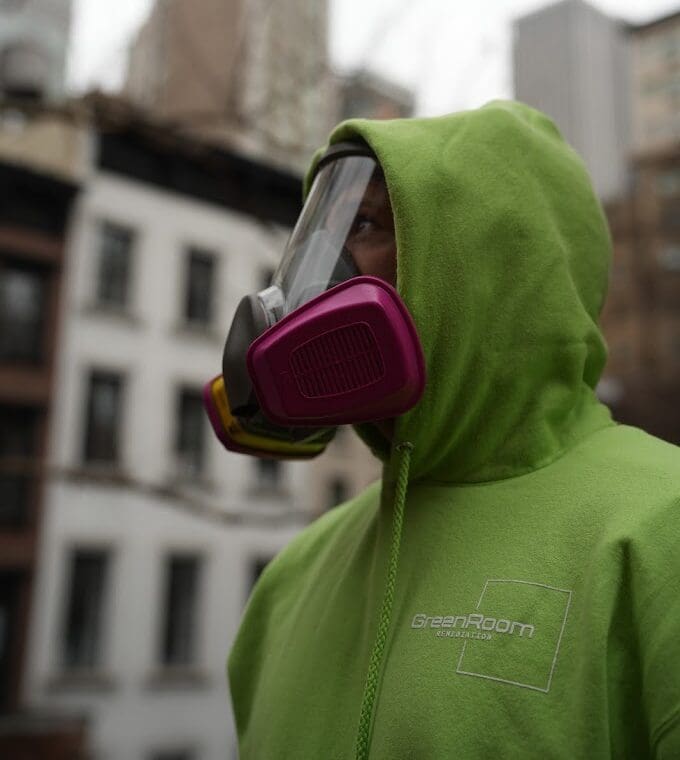
Exposure to sewage-contaminated materials without appropriate personal protective equipment creates real infection risk. Property owners who attempt DIY sewage cleanup using household cleaning products and without full PPE including respirators, waterproof gloves, protective suits, and eye protection face exposure risks that professional restoration teams are trained and equipped to manage. For anyone with compromised immune systems, children, or elderly household members, the health risks of sewage exposure are heightened and the case for immediate professional response is particularly strong.
Beyond the immediate contact risks, sewage-contaminated materials that are not fully decontaminated continue to present health risks as residual bacteria and viral particles remain viable in porous materials for extended periods. Materials that have contacted sewage and are not removed and replaced create ongoing exposure risk for occupants long after the visible cleanup appears complete.
Why Does NYC Have Such Frequent Sewage Backup?
New York City operates one of the oldest combined sewer systems in the country, a network that carries both storm water runoff and sanitary sewage in the same pipes. During heavy rain events, the volume of storm water entering the system can exceed its capacity, creating pressure that pushes sewage back through floor drains, basement toilets, and sump systems in buildings connected to the affected sewer mains. This combined sewer overflow event affects neighborhoods throughout Brooklyn, Queens, the Bronx, and lower Manhattan during significant rain events and is a structural infrastructure issue rather than a building-specific problem.
Properties with basement apartments, below-grade utility spaces, or floor drains in basements are the most frequently affected because gravity works against them when sewer pressure reverses. Backflow prevention valves installed on floor drains and toilet connections reduce but do not eliminate backup risk in properties in high-frequency backup areas. Buildings in neighborhoods with older sewer infrastructure in Brooklyn, Queens, and the Bronx experience backup events multiple times per decade on average, making sewage backup a recurrent risk rather than a one-time event for many NYC property owners.
What Does Sewage Backup Cleanup Actually Involve?
Sewage backup restoration follows a more rigorous protocol than standard water damage cleanup because of the biological contamination involved at every step.
Protective Setup and Containment
Before any work begins, the restoration team establishes containment barriers to prevent cross-contamination of unaffected areas. HEPA-filtered negative air pressure machines create airflow from clean areas toward the work zone and exhaust contaminated air to the exterior. All team members wear full PPE throughout the extraction and decontamination phases. In occupied buildings, clear communication with occupants about contaminated zones and restricted access is established before work begins.
Sewage Extraction
Sewage water and solids are extracted using equipment designated for Category 3 contaminated materials. All extracted material is disposed of as regulated waste under applicable NYC Department of Environmental Protection and NYC Department of Sanitation requirements. Equipment that contacts sewage-contaminated material is decontaminated before being used in other areas of the project or transported to other job sites.
Removal of All Porous Contaminated Materials
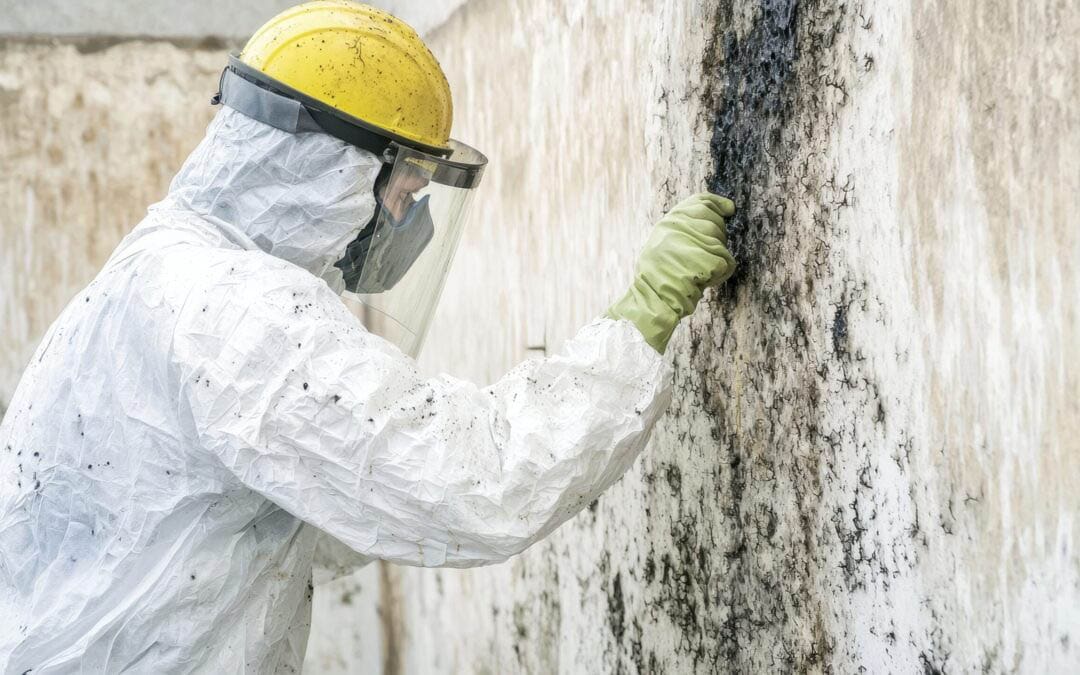
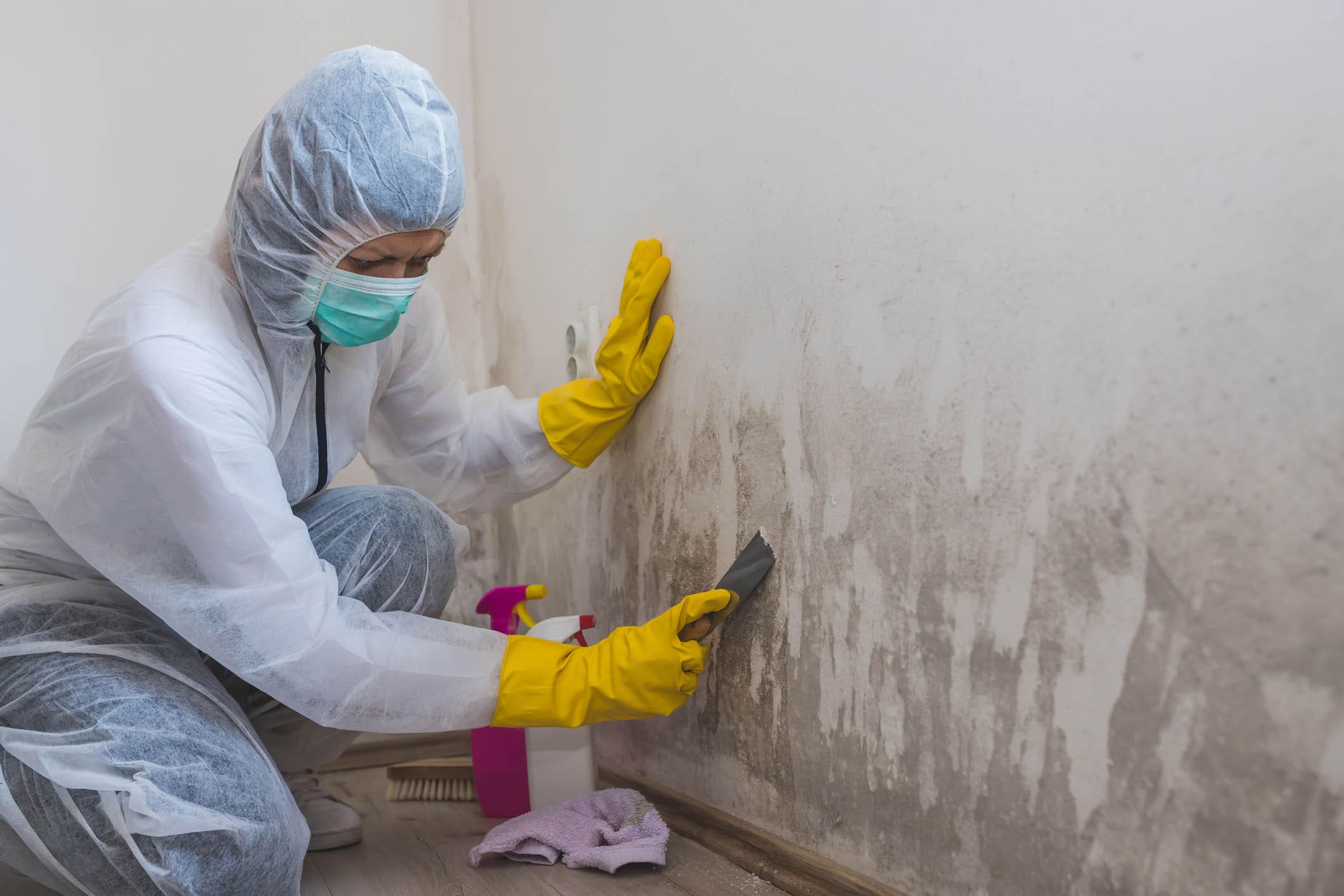
All porous materials that contacted the sewage water must be removed regardless of apparent drying status. This includes drywall, insulation, wood base plates, carpet, pad, and in some cases engineered flooring and subfloor materials. The IICRC S500 standard for water damage restoration and S520 for mold remediation both require removal of porous materials contaminated by Category 3 water because biological contamination cannot be reliably cleaned from porous substrates. Surface cleaning Category 3-contaminated drywall is not an acceptable substitute for removal under professional restoration standards.
Structural Surface Decontamination
After porous materials are removed, all exposed structural surfaces including concrete floors, masonry, metal framing, and treated wood framing are cleaned and disinfected using EPA-registered hospital-grade disinfectants appropriate for Category 3 contamination. Multiple applications and dwell time verification are standard components of proper decontamination. Antimicrobial treatment is applied after disinfection to address mold risk during the subsequent drying phase.
Structural Drying and Clearance
After decontamination, structural drying proceeds using the same industrial equipment used in standard water damage restoration. Daily moisture readings track progress. In sewage backup situations where mold has already developed, mold remediation is incorporated as a concurrent scope item and requires a licensed mold assessor’s protocol and post-remediation clearance testing. For more on how clearance testing works after remediation, see our article on post-remediation clearance testing and why insurers require it.
Is Sewage Backup Covered by Insurance in NYC?
Standard homeowners, co-op, condo, and landlord property insurance policies in New York do not automatically cover sewage backup damage. Coverage for sewer backup requires a specific endorsement that must be added to the policy, typically referred to as a sewer backup endorsement or water backup and sump overflow endorsement. Many NYC property owners are unaware they do not have this endorsement until they file a claim following a sewage backup event.
Coverage limits under sewer backup endorsements vary by carrier and by the specific endorsement purchased. Some endorsements provide $10,000 to $25,000 in coverage for a modest additional premium. Others provide higher limits. Review your policy declarations page for a specific sewer backup or water backup endorsement line item to confirm whether coverage is in place and at what limit. If the endorsement is not present, contact your insurance broker about adding it before the next heavy rain season.
For sewage backup caused by a covered sudden and accidental event unrelated to the sewer system, such as a sewage pipe failure inside the property rather than a sewer system backup event, the standard homeowners policy water damage coverage may apply. The distinction between an internal pipe failure and an external sewer backup is important for coverage determination. GreenRoom documents the source and entry point of sewage contamination as part of the initial assessment, which helps establish the coverage framework before the adjuster arrives. For a full breakdown of how water and mold insurance claims work in NYC, see our guide on whether homeowners insurance covers mold remediation in NYC.
How Much Does Sewage Backup Cleanup Cost in NYC?
Sewage backup cleanup in NYC costs more than comparable clean water events because of the decontamination requirements, the mandatory removal of porous materials, and the biological waste disposal costs. Small sewage backup events affecting a single bathroom or utility area typically range from $3,000 to $8,000 for extraction, decontamination, material removal, and initial drying. Mid-sized events affecting a basement space or multiple rooms typically range from $8,000 to $20,000. Larger events affecting significant areas of basement space, particularly in the brownstones and pre-war buildings of Brooklyn, Queens, and the Bronx where basement areas can be large, may range from $20,000 to $50,000 or more when material removal, decontamination, mold remediation, and structural drying are all accounted for.
Reconstruction costs following sewage backup are separate from the restoration scope and are typically covered under the dwelling coverage section of the policy if the sewer backup endorsement is in place. Reconstruction involves replacing the drywall, insulation, flooring, and finishes removed during the decontamination phase and is typically performed by a general contractor after the restoration team confirms the structural envelope is dry and decontaminated.
Frequently Asked Questions
Is sewage backup the same as a flooded basement?
Not necessarily. A flooded basement from an internal plumbing failure such as a burst pipe is typically a Category 1 clean water event. A basement flooded by sewage backing up through a floor drain is a Category 3 biohazard event requiring full decontamination protocols. A basement flooded by external rising water from a storm is a flood event potentially covered by NFIP rather than homeowners insurance. The source of the water determines the contamination category, the restoration protocol, and the applicable insurance coverage.
Can I clean up sewage backup myself?
DIY sewage cleanup is strongly not recommended due to the health risks from biological contamination, the specific PPE requirements, and the professional restoration standards that require complete material removal and decontamination verification. Beyond the health risk, insurance claims for sewage backup are more likely to be approved and fully paid when the work is performed by a licensed professional who produces documentation meeting the adjuster’s requirements. Self-performed cleanup that does not meet IICRC Category 3 restoration standards gives insurers grounds to dispute the scope and cost of subsequent professional remediation.
How do I prevent sewage backup in my NYC property?
Backflow prevention valves installed on floor drains and toilet connections are the most effective mechanical protection against sewer system backup. These valves allow normal drainage flow while closing automatically when sewer pressure reverses. They are not foolproof and require periodic maintenance and inspection, but they significantly reduce backup frequency and severity in properties located in high-risk neighborhoods. Consult a licensed plumber about backflow prevention options specific to your building’s configuration.
How long does sewage backup cleanup take?
Small sewage backup events typically require 3 to 5 days for extraction, material removal, decontamination, and initial drying. Larger events or those where mold has developed require longer timelines. Mold remediation adds the full clearance testing cycle of 5 to 7 business days for laboratory results and the written clearance report. The total project timeline from first response through clearance testing and reconstruction readiness is typically 2 to 4 weeks for mid-sized sewage events in NYC residential properties.
For emergency sewage backup cleanup and decontamination in Brooklyn, Manhattan, Queens, the Bronx, Staten Island, Long Island, Westchester, or Northern New Jersey, call GreenRoom Remediation at (917) 965-3754. Available 24 hours a day, 7 days a week.
GreenRoom Remediation | NY State Licensed Mold Remediation Contractor (License #24-6S44B-SHMO) | IICRC-Certified | OSHA-Trained | BBB Accredited | Serving NYC, Brooklyn, Queens, Manhattan, the Bronx, Staten Island, Long Island, Westchester, and Surrounding Areas.
view related content