table of contents
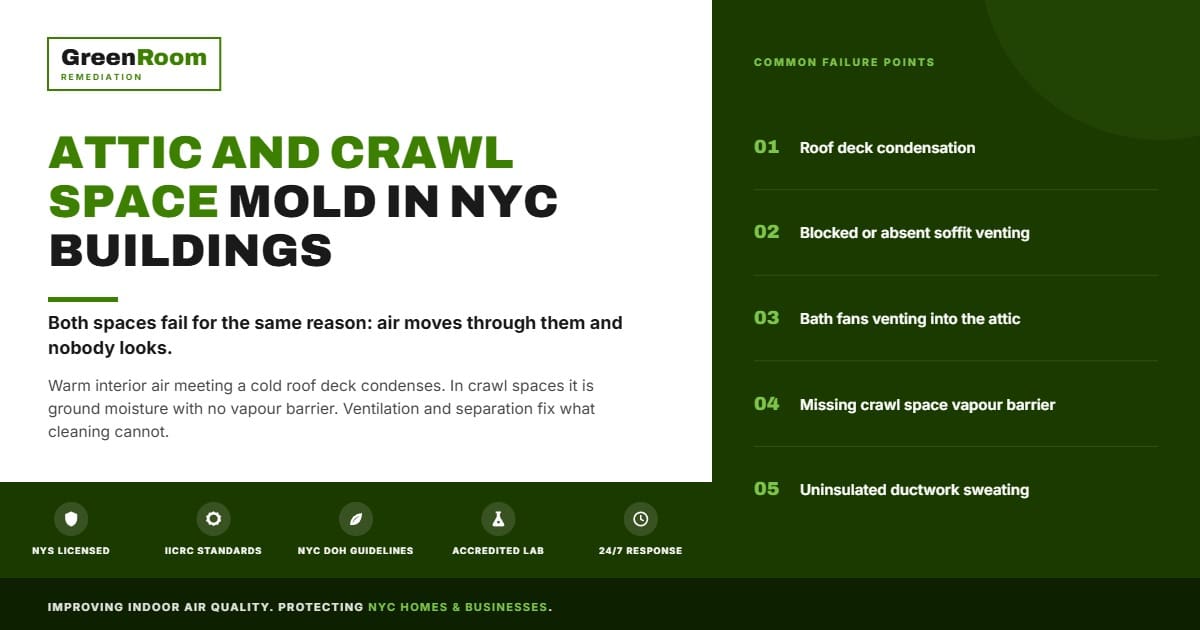
Quick answer: Attic mold in NYC residential properties most commonly develops from inadequate roof ventilation, bathroom or kitchen exhaust fans vented into the attic rather than to the exterior, and roof leaks that saturate roof decking and framing. Crawl space mold develops from ground moisture vapor, inadequate vapor barriers, and condensation from poorly insulated HVAC ducts. Both are governed by New York State Labor Law Article 32 when the affected area reaches 10 square feet, requiring a licensed assessor and remediator. Because attics and crawl spaces are rarely inspected, mold in these spaces frequently reaches significant scope before discovery. GreenRoom Remediation provides licensed attic and crawl space mold assessment and remediation across all five NYC boroughs, Long Island, and Westchester. Call (917) 965-3754 to schedule an inspection.
Attics and crawl spaces are the two most consistently overlooked mold environments in NYC residential properties. They are rarely entered, rarely inspected, and their mold conditions produce no visible signs inside the living space until the contamination is extensive. By the time a property owner discovers attic or crawl space mold through a home inspection, a real estate transaction, or an energy audit that requires accessing the space, the affected area commonly covers dozens or hundreds of square feet of roof decking, framing, and insulation.
What Causes Attic Mold in NYC Properties?
Attic mold in NYC single-family homes, brownstones, and top-floor apartment buildings almost always traces to one of three causes or a combination of them: inadequate roof ventilation that allows condensation to form on cold roof decking; bathroom or kitchen exhaust fans that terminate inside the attic rather than exhausting to the exterior; and roof leaks that have saturated roof decking and framing over extended periods. Each of these moisture sources creates different growth patterns and requires different correction strategies as part of the remediation project.
Inadequate attic ventilation is the most common cause. During winter months, warm air from the living space rises through ceiling penetrations into the attic. When this warm air contacts cold roof decking, it deposits moisture. Over multiple heating seasons, this accumulated moisture creates mold growth on roof decking, rafters, and insulation. Bathroom and kitchen exhaust fans that dump into the attic deliver warm, moisture-laden air directly into the space every time a shower runs or a stovetop is used. Properties where multiple exhaust fans terminate in the attic can develop significant mold within a single winter season. Active or historical roof leaks that have saturated roof decking and framing create the prolonged moisture conditions that support Stachybotrys chartarum and Chaetomium alongside more common species.
What Causes Crawl Space Mold in NYC Properties?
Crawl spaces in NYC appear in certain building types including older single-family homes in Staten Island, Jamaica, and parts of Queens. Crawl space mold develops from ground moisture vapor that rises from exposed soil surfaces and condenses on cooler structural materials above, and from condensation from HVAC ducts or pipes running through the crawl space when those components are not adequately insulated.
Crawl spaces without adequate vapor barriers allow substantial moisture to enter the building envelope through soil evaporation. This moisture condenses on wood floor framing, subfloor materials, and any insulation in the crawl space floor system. Crawl space mold frequently causes the floor above to feel soft, develops a persistent musty odor that infiltrates the first floor, and can compromise the structural integrity of floor framing members over time when decay fungi accompany the mold growth.
How Is Attic Mold Treated?
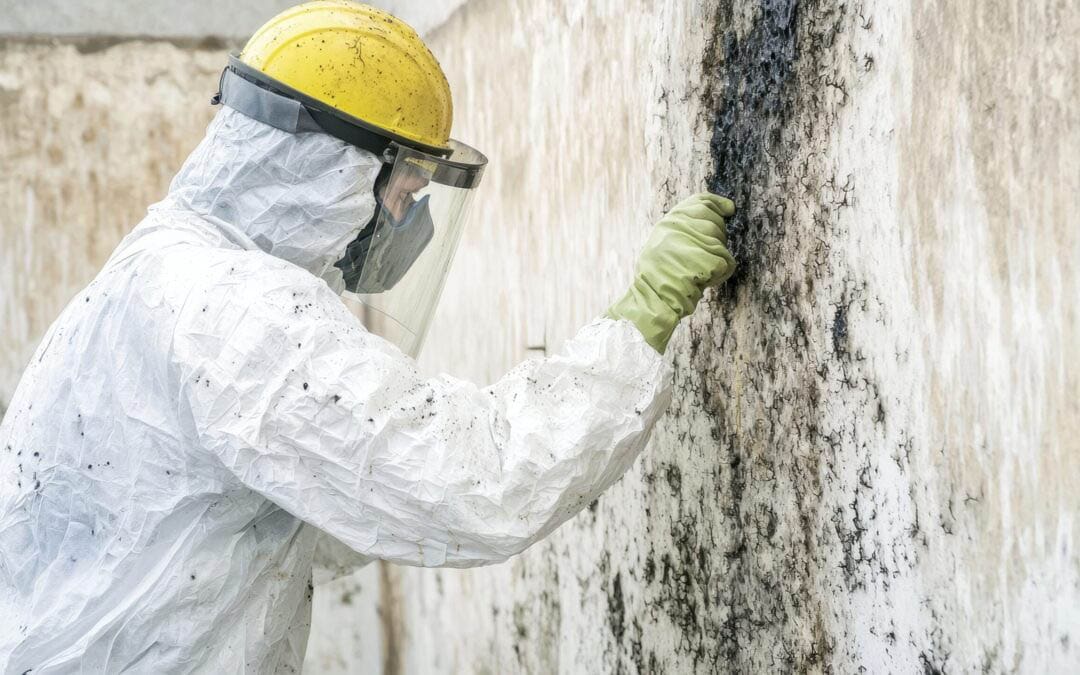
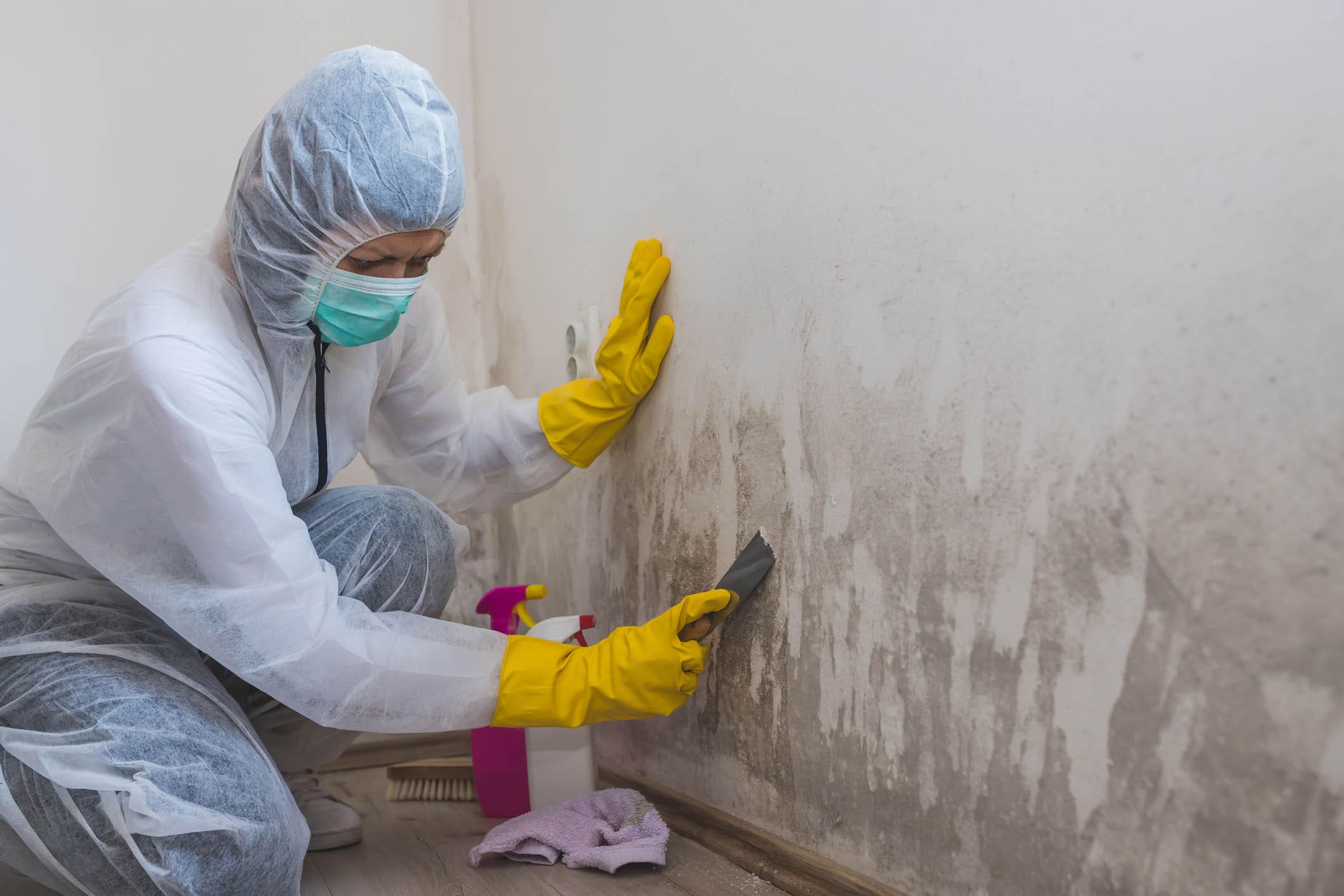
Attic mold remediation in NYC follows the same licensed assessor and remediator framework required under Article 32, but the physical remediation approach differs from wall cavity remediation because attic framing is typically non-porous wood that can be cleaned rather than removed. The standard process begins with the licensed assessor inspecting the full attic space, collecting air samples, measuring moisture in the roof decking and framing, and documenting the full extent of visible mold growth.
Remediation involves HEPA vacuuming of all mold-contaminated surfaces, dry ice blasting or chemical treatment of affected wood framing and roof decking, application of EPA-registered antimicrobial encapsulant to treated surfaces, and removal and disposal of any contaminated insulation. Critically, the ventilation deficiencies, improperly vented exhaust fans, or roof leak sources that created the moisture conditions must be corrected as part of or immediately following the remediation. An attic that is cleaned without correcting the moisture source will develop new mold growth within one to two seasonal cycles.
Post-remediation clearance testing confirms that the treatment was successful before the attic is closed up and any replacement insulation is installed. For more on what clearance testing involves, see our article on post-remediation clearance testing and why insurers require it.
How Much Does Attic Mold Remediation Cost in NYC?
Attic mold remediation costs in NYC typically range from $3,500 to $12,000 for small to mid-sized projects covering 100 to 500 square feet of affected roof decking and framing, and from $12,000 to $30,000 for larger projects or those requiring complete insulation removal and replacement. Whether attic mold remediation is covered by insurance depends on the cause of the moisture. Roof leak-related mold from a covered sudden and accidental event may be eligible under the property policy. Condensation-related or exhaust fan-related mold is typically excluded as gradual damage. For more on what insurance covers, see our guide on whether homeowners insurance covers mold remediation in NYC.
Frequently Asked Questions
Can I just spray bleach on attic mold?
Bleach applied to attic mold on wood surfaces kills surface organisms but does not penetrate into the wood where mold hyphae extend and does not address the moisture source that will allow new growth to develop. For any attic mold area of 10 square feet or more, NY State Labor Law Article 32 requires licensed professional remediation.
Is attic mold common in NYC co-ops and condos?
Attic mold is most common in top-floor units or townhouse-style co-op and condo units where the building’s roof structure is directly above the unit. In multi-unit residential buildings with shared roof structures, attic mold is typically a building responsibility. For more on how mold responsibilities are allocated in co-ops and condos, see our guide on insurance claims for mold in NYC co-ops, condos, and rentals.
For attic or crawl space mold assessment and remediation in Brooklyn, Manhattan, Queens, the Bronx, Staten Island, Long Island, Westchester, or Northern New Jersey, call GreenRoom Remediation at (917) 965-3754. Available 24 hours a day, 7 days a week.
GreenRoom Remediation | NY State Licensed Mold Remediation Contractor (License #24-6S44B-SHMO) | IICRC-Certified | OSHA-Trained | BBB Accredited | Serving NYC, Brooklyn, Queens, Manhattan, the Bronx, Staten Island, Long Island, Westchester, and Surrounding Areas.
view related content