table of contents
GreenRoom Remediation | NYC Mold Remediation & Water Damage Restoration Experts
Mold remediation is one of those services where the price tag often catches homeowners and property managers off guard. Whether you own a brownstone in Brooklyn, manage a multi-unit building in Queens, or run a commercial space in Manhattan, the moment mold appears, the question is almost always the same: why does this cost so much? The answer has everything to do with safety, regulatory compliance, and the right equipment for the job.
New York has some of the strictest mold laws in the country, and certified mold contractors operating in NYC must meet licensing, documentation, and procedural standards that go well beyond a quick spray-and-wipe. Understanding what professional mold removal services actually include helps explain where the cost comes from and why cutting corners tends to cost far more in the long run.
What New York State Mold Law Actually Requires
Under New York State Mold Law, mold assessment and mold remediation must be performed by separate, independently licensed companies. The mold assessor, who conducts inspections, collects air and surface samples, and develops a remediation plan, cannot be the same entity that performs the removal work. This legal separation protects property owners by ensuring the assessment remains objective and is not influenced by whoever stands to profit from the remediation contract.
Both roles require state licensure through the New York Department of Labor. This isn’t just a formality. Licensed mold remediation companies in NYC carry proper insurance, follow IICRC standards, and are legally accountable for how work is performed. When you hire a certified mold contractor, you’re not just paying for labor. You’re paying for a structured, documented process that holds up to regulatory scrutiny and insurance review.
What Professional Mold Removal Services Actually Include
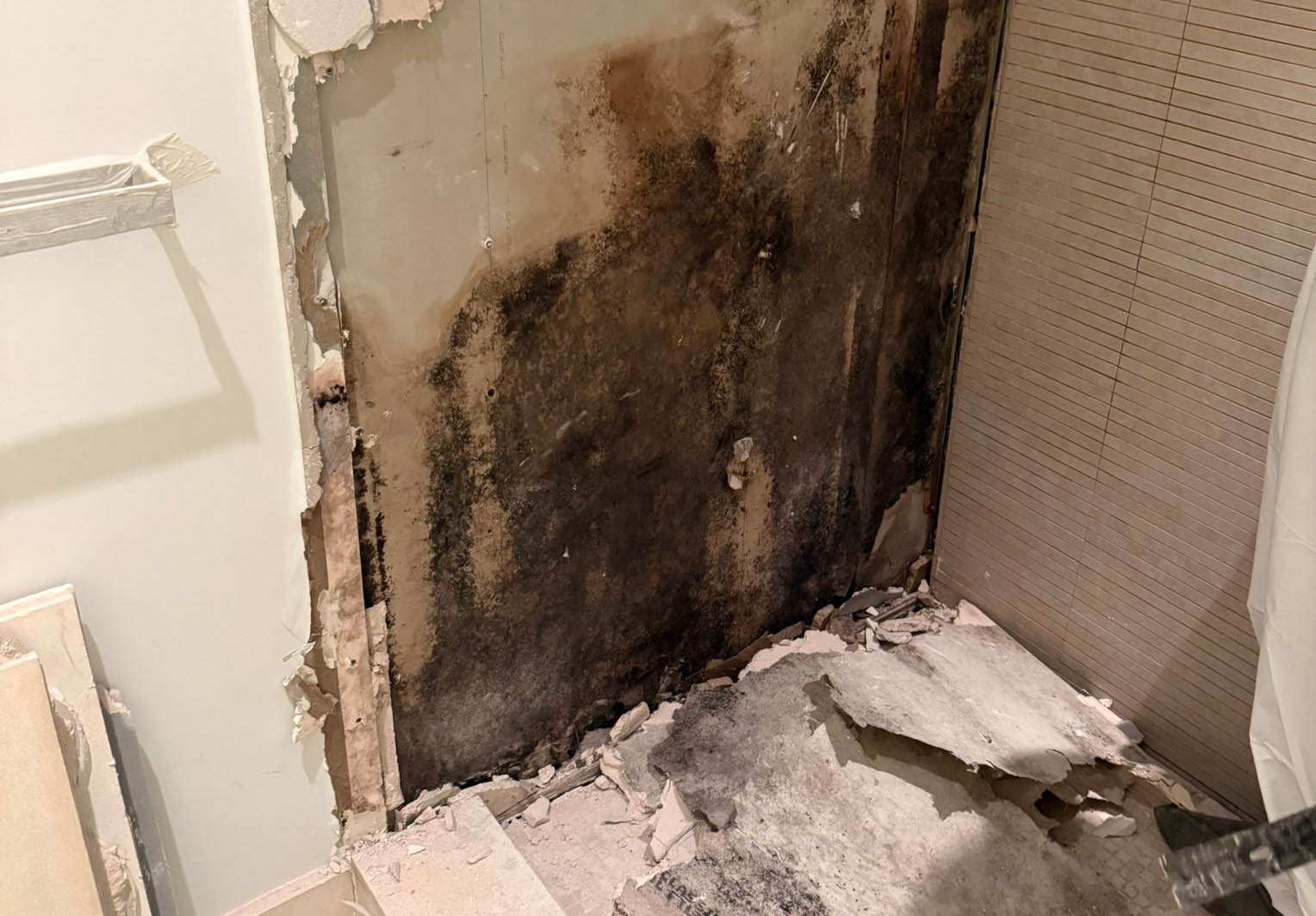
Professional mold removal is a multi-phase process, and each phase has a real cost attached to it. The typical mold remediation process begins with a thorough inspection using moisture mapping and infrared imaging to detect hidden contamination behind walls, under flooring, or within HVAC systems. In older NYC properties and tight apartment buildings, mold often spreads far beyond what’s visible to the naked eye.
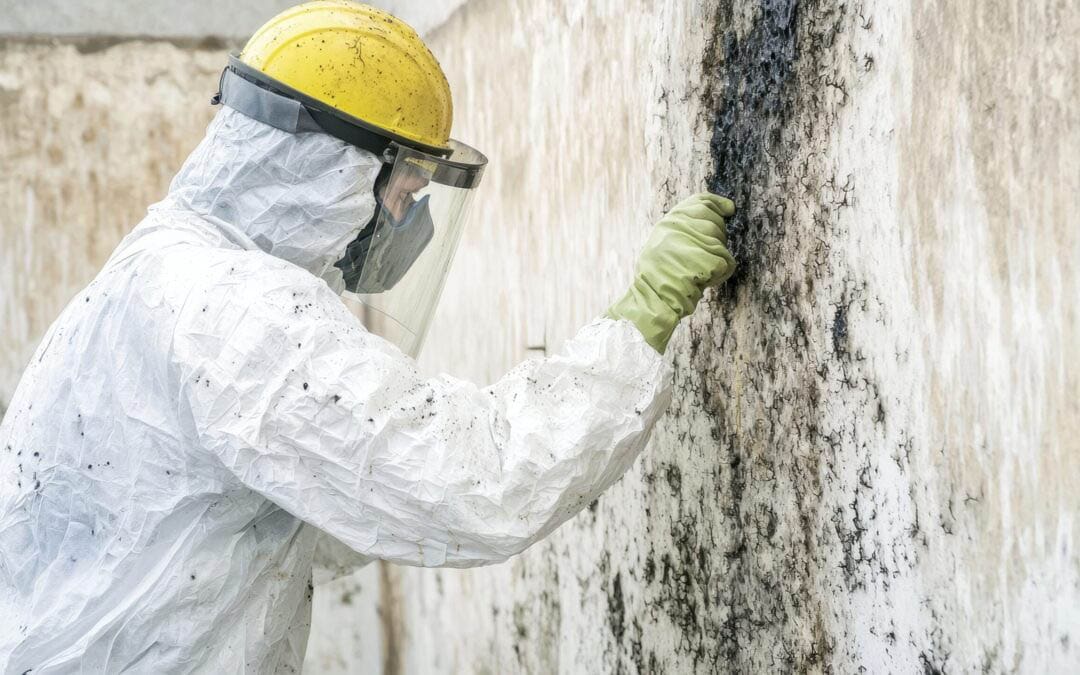
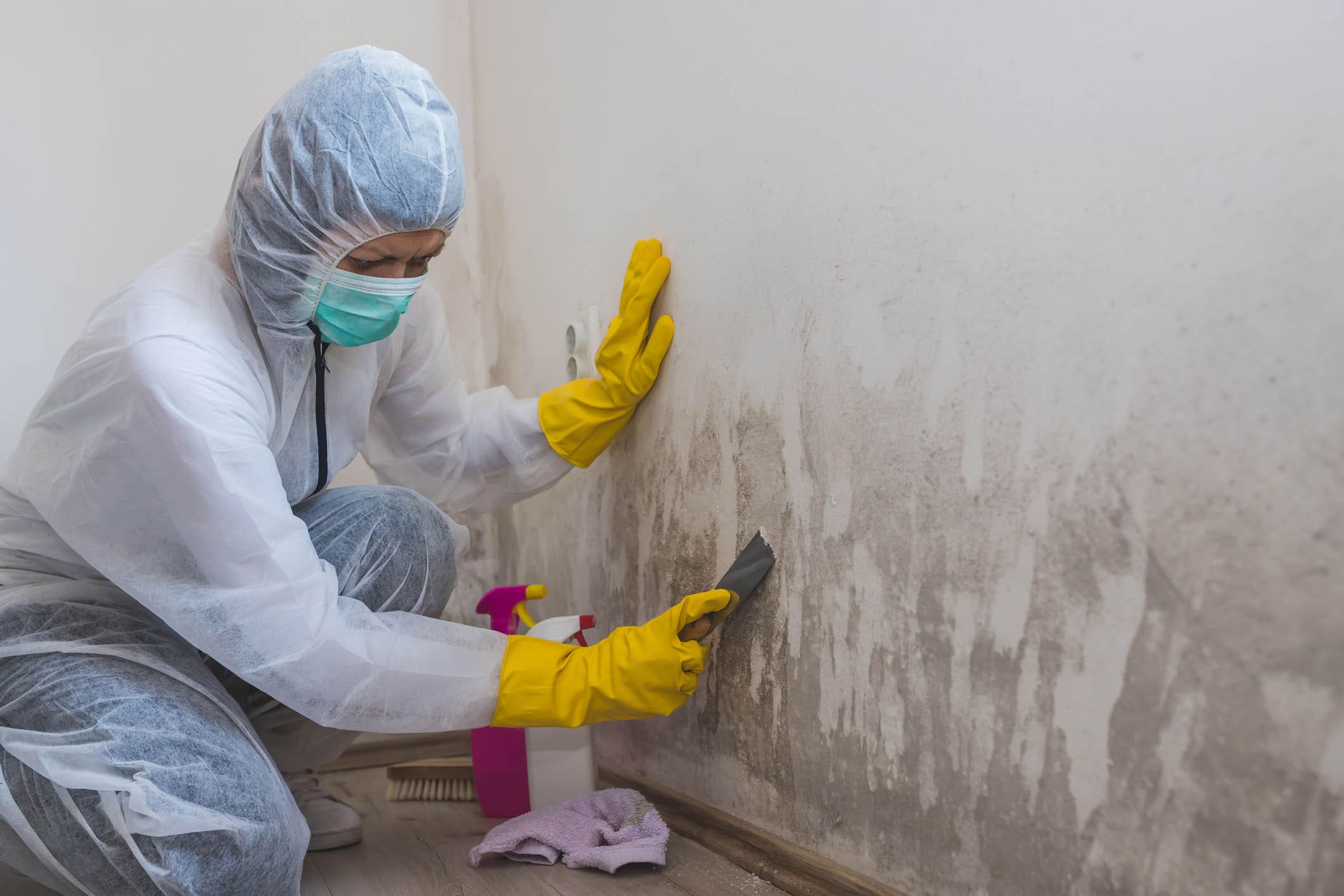
Once the scope is established, containment barriers are installed to isolate the affected area, and negative air pressure systems using HEPA filtration machines are activated to prevent airborne mold spores from migrating to unaffected spaces. This step alone distinguishes professional mold cleanup services from DIY attempts or unqualified vendors who cut into contaminated walls without any protective setup.
The actual removal of contaminated materials, followed by antimicrobial decontamination and structural drying verification, rounds out the core process. Every phase is documented, and that documentation, including moisture readings, infrared images, lab results, and written reports, is what supports insurance claims and provides legal protection for property owners. Mold remediation is not just a cleanup. It’s a compliance process.
Why Cheap Mold Removal Often Makes Things Worse
One of the most common scenarios in NYC mold remediation involves property owners who previously hired an unlicensed or underqualified vendor at a lower price point, only to discover the mold returned within months. The reason is almost always the same: the underlying moisture source was never addressed, and improper remediation techniques spread spores rather than containing them.
Some of the shortcuts seen in cheap mold removal jobs include spraying chemical treatments over active mold growth without removing contaminated materials, painting over mold on walls or ceilings, and using box fans to dry out spaces, which actually disperses mold spores into the air and throughout the building. In multi-unit buildings with shared HVAC systems, this kind of contamination can spread rapidly.
Indoor air quality can actually worsen after improper remediation. Disturbed mold spores become airborne particulates that circulate through ventilation systems, affecting occupants in units or rooms far from the original source. For people with respiratory conditions, asthma, or weakened immune systems, this exposure compounds health risks that extend well beyond minor irritation.
Mold Testing and Mold Remediation: Two Different Services
Many people looking for mold testing in Brooklyn, Manhattan, or elsewhere in NYC are surprised to learn that testing and remediation are distinct services, and by law in New York, they must be provided by different licensed companies. Mold testing typically includes a full property inspection, air quality testing, surface or tape sampling, lab analysis, and a written report outlining the scope of contamination and a recommended remediation protocol.
Indoor air quality testing provides data that drives remediation decisions. Without it, a contractor is essentially guessing at the extent of contamination. For property transactions, insurance claims, or tenant complaints, certified mold inspection results also serve as independent documentation that the problem was identified and addressed according to a professional standard. Starting with testing is often the most cost-effective path, because it prevents over-remediation in areas that don’t need it and ensures focus on the areas that do.
When Mold Becomes a Water Damage Problem
Emergency water damage restoration and mold remediation are more closely connected than most property owners realize. Water damage is the primary upstream trigger for mold growth, and in NYC buildings, burst pipes, roof leaks, and basement flooding are common. When water damage isn’t fully dried and documented within the first 24 to 48 hours, mold colonization almost always follows.
Commercial water damage restoration follows the same IICRC principles as residential work, but involves additional complexity around tenant notification, compliance documentation, and business continuity. Certified water restoration companies use moisture meters, thermal imaging, and structural drying equipment to verify that materials are brought back to acceptable moisture levels, eliminating the conditions that allow mold to take hold. Flood cleanup in NYC commercial properties, particularly in basement-level spaces, requires this level of verification to prevent mold remediation costs months later.
Addressing water damage with the same rigor as mold remediation is not overcautious. It’s the practical approach that prevents a smaller emergency from becoming a larger structural and air quality issue.
Eco-Friendly Mold Remediation: A Safer Approach for Families and Tenants
One of the most frequent concerns property owners raise involves the safety of remediation chemicals, particularly in occupied buildings, homes with young children, or spaces where tenants cannot easily vacate. Eco-friendly mold remediation uses EPA-approved, low-toxicity antimicrobial treatments that eliminate mold contamination without the harsh chemical exposure associated with conventional approaches.
Green mold removal methods are not a compromise on effectiveness. They apply the same containment, HEPA filtration, and moisture diagnostic protocols as any other professional remediation process. The difference is in the treatment chemistry, which is formulated to be safer for building occupants and the environment while still meeting the decontamination standards required by New York State. For families, schools, healthcare facilities, and any environment where chemical sensitivity is a concern, non-toxic mold removal is both a practical and responsible choice.
Emergency Mold Removal: When Time Is the Critical Factor
Not every mold situation allows for a scheduled appointment. Black mold in a basement, rapid mold spread following a plumbing failure, or mold discovered during a property inspection with a tight closing deadline all create scenarios where same-day or 24-hour mold remediation is necessary. Rapid response mold services are designed for these situations, combining emergency containment with immediate remediation to stop contamination from spreading further.
Urgent mold cleanup in NYC requires more than speed. It requires teams equipped with proper containment barriers, HEPA filtration units, and the full range of protective equipment on arrival. Dispatching quickly with incomplete tools leads to the same shortcuts seen in substandard work. A 24/7 emergency mold response team that operates to the same professional standard as a scheduled job, just faster, is what separates effective emergency mold abatement from a temporary fix.
Documentation Protects Property Owners
One of the most overlooked benefits of professional mold remediation services is the documentation trail. Insurance carriers reviewing claims for mold damage or water damage restoration need evidence that the work was performed by a licensed contractor using accepted methods. Without it, claims can be denied, and property owners may have no legal recourse if a tenant later attributes a health issue to mold exposure.
Detailed remediation reports that include pre- and post-remediation air quality testing results, moisture readings, photographic documentation of affected areas, and signed certifications of completion provide a complete record. For landlords managing properties across Brooklyn, Queens, the Bronx, or Manhattan, this documentation is not optional. It’s the foundation of sound property management and regulatory compliance.
The Real Cost of Doing It Right
Professional mold remediation in NYC typically ranges from a few hundred dollars for small, contained areas to several thousand for larger or more complex contamination. The cost reflects licensing and insurance requirements, specialized equipment, trained technicians, regulatory compliance, and the documentation process that protects all parties. Mold restoration companies operating to a professional standard invest in all of these elements, and that investment is what makes the result reliable.
The actual cost of substandard mold removal is measured in repeated remediation jobs, worsening air quality, potential health consequences for occupants, and legal liability that no property owner wants to face. A certified mold remediation company provides the process, the accountability, and the documentation that makes the work worth paying for.
If you suspect mold in your property or have concerns following recent water damage, a professional mold inspection is the right first step. Early evaluation establishes the scope, informs the approach, and prevents a manageable problem from becoming a significant one.
GreenRoom Remediation | Licensed NYC Mold Remediation & Water Damage Restoration | AGreenRoom.com | Serving Brooklyn, Manhattan, Queens, the Bronx, and Staten Island
GreenRoom Remediation | NY State Licensed Mold Remediation Contractor (License #24-6S44B-SHMO) | IICRC-Certified | OSHA-Trained | BBB Accredited | Serving NYC, Brooklyn, Queens, Manhattan, the Bronx, Staten Island, Long Island, Westchester, and Surrounding Areas.
view related content