table of contents
When Does Contamination Requires Specialized Response – Quick Answer for NYC Property Owners
When contamination involves biohazards, sewage backup, hazardous residue, or post-water damage microbial growth, professional decontamination services are necessary. In New York City’s dense residential and commercial environments, improper cleanup can spread contaminants through shared air systems, walls, and plumbing lines. GreenRoom Remediation provides structured decontamination services in NYC designed to safely neutralize contaminants, protect indoor air quality, and restore safe occupancy
Contamination events in New York City properties rarely remain isolated. In apartment buildings, mixed-use spaces, brownstones, and commercial offices, environmental contaminants can migrate quickly through shared building systems. Whether the issue originates from floodwater, sewage backup, post-fire residue, or microbial contamination after water damage, a structured decontamination protocol is often required.
GreenRoom Remediation provides professional decontamination services across Brooklyn, Manhattan, Queens, the Bronx, Staten Island, and Nassau County. These services go beyond surface cleaning. They are designed to neutralize biological, chemical, and environmental hazards safely and methodically.
What Professional Decontamination Means in an NYC Property
Decontamination is the controlled removal, neutralization, and sanitation of harmful contaminants from a structure. This may include:
- Sewage contamination following flooding
- Hazardous residue after emergency water damage
- Microbial contamination following prolonged moisture exposure
- Biohazard cleanup scenarios
- Airborne contamination after structural events
In NYC buildings, contamination often spreads through interconnected mechanical systems and shared materials. Simply disinfecting visible surfaces does not resolve underlying exposure risks.
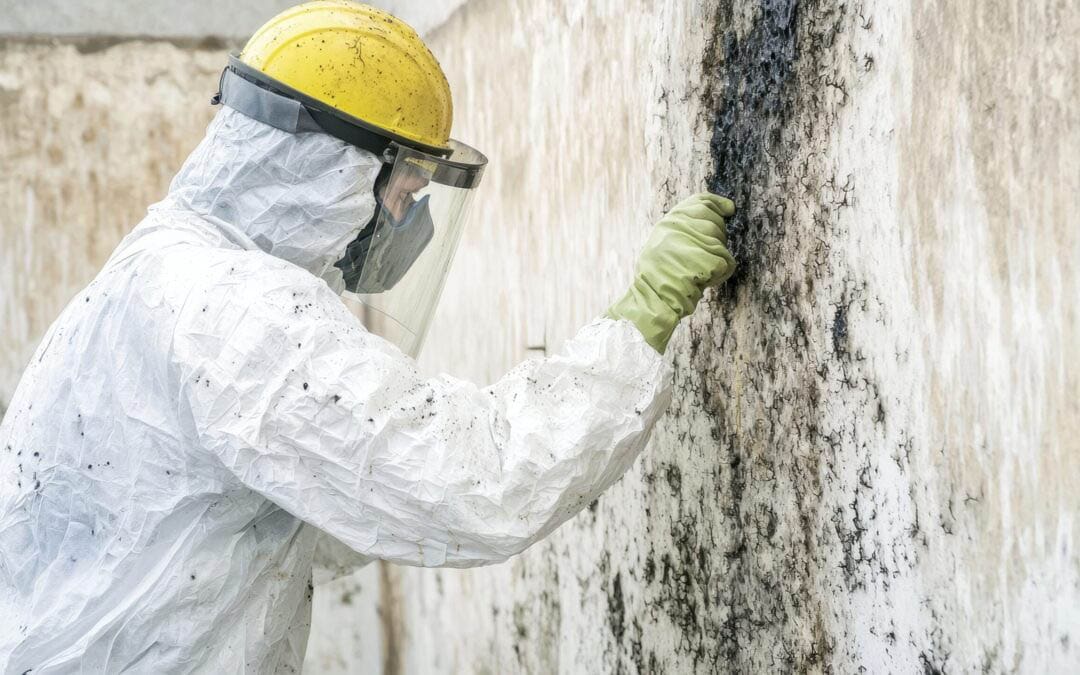
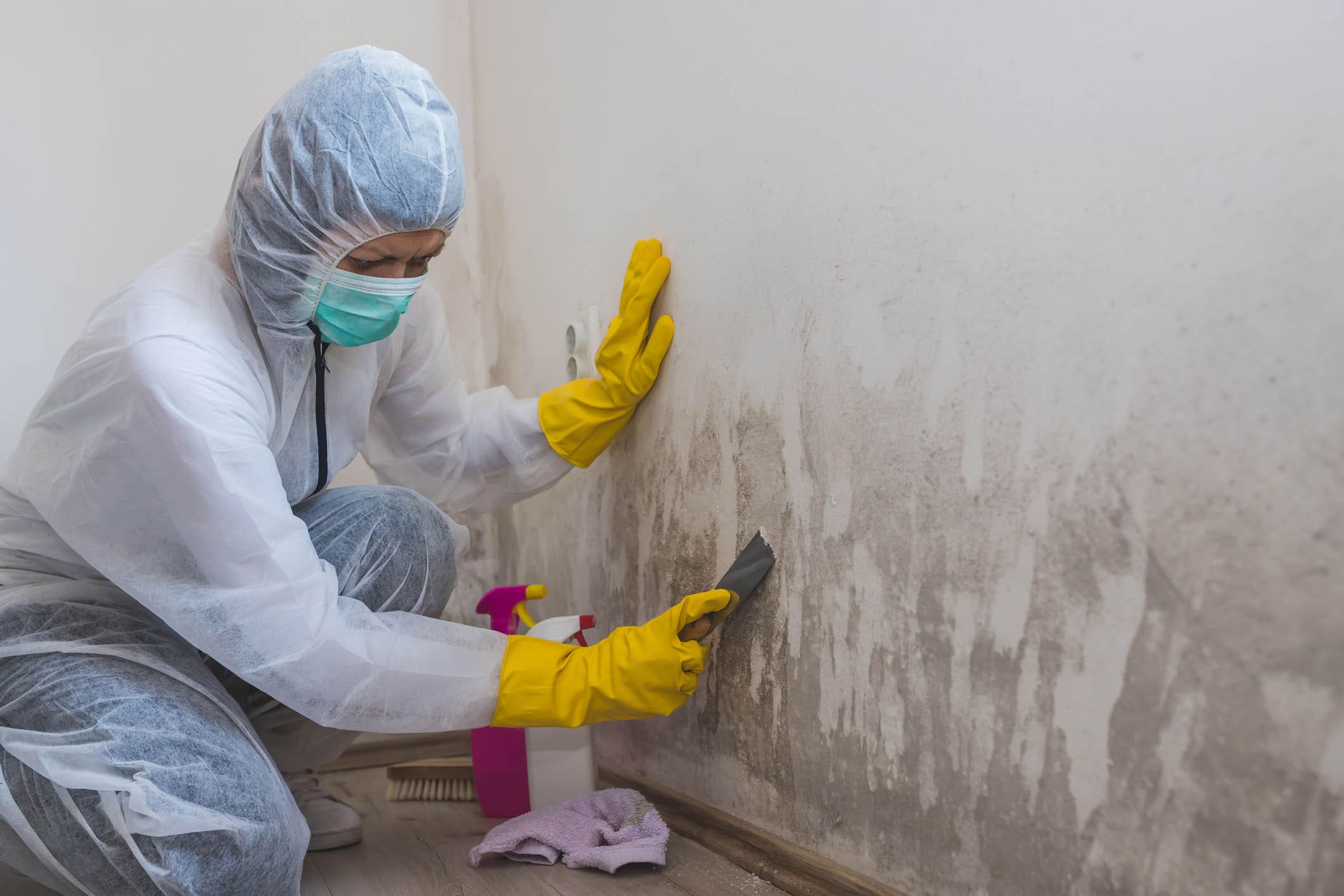
Professional decontamination requires containment, specialized equipment, and antimicrobial solutions designed to eliminate pathogens and hazardous residue safely.
When Decontamination Is Necessary After Water Damage
After emergency water damage, especially when floodwater or sewage is involved, contamination risk increases significantly. In these scenarios, water removal restoration alone is not sufficient. Without proper decontamination, affected materials may harbor bacteria and pathogens that compromise indoor air quality.
This is particularly common in basement flooding throughout Brooklyn and Queens, where groundwater intrusion can introduce contaminants into living spaces. In multi-unit buildings, a single contaminated water event can affect neighboring units if not addressed properly.
GreenRoom Remediation frequently integrates emergency water damage response with environmental decontamination protocols to ensure complete restoration rather than partial cleanup.
Decontamination vs Mold Remediation
Although mold remediation addresses fungal growth and contamination, decontamination services extend beyond mold removal. When contamination includes sewage, biohazards, or chemical residue, broader environmental treatment is necessary.
In many cases, mold inspection and mold testing are used to determine whether microbial contamination has developed after a water event. If contamination is confirmed, both mold remediation and decontamination may be required to restore safe conditions.
These services often overlap, but they are not interchangeable. A structured approach ensures nothing is overlooked.
Why NYC Buildings Require Specialized Decontamination
Urban density changes everything. Shared plumbing stacks, mechanical shafts, and HVAC systems allow contaminants to travel vertically and horizontally within a building. In Manhattan high-rises or Brooklyn brownstones, contamination in one area may affect others quickly.
Professional decontamination services must account for:
- Shared air pathways
- Containment in occupied buildings
- Multi-unit coordination
- Cross-contamination prevention
- Proper disposal of hazardous materials
GreenRoom Remediation applies containment protocols similar to those used in mold remediation to ensure contaminants do not spread during cleanup.
Role of Antimicrobial Solutions in Environmental Decontamination
Effective decontamination requires more than drying and debris removal. Antimicrobial solutions are used to neutralize pathogens, reduce microbial growth risk, and sanitize affected surfaces.
When contamination follows emergency water damage or sewage intrusion, antimicrobial cleaning protocols are critical. These treatments help restore safe indoor conditions while preventing secondary contamination.
Proper application, dwell time, and ventilation management are essential. Improper use can leave contaminants behind or create additional indoor air quality concerns.
When to Contact a Professional Decontamination Company in NYC
You should seek professional decontamination services if:
- Floodwater or sewage has entered the property
- A neighboring unit experienced contamination
- Strong odors persist after water removal restoration
- Biohazard exposure has occurred
- Mold growth followed prolonged moisture intrusion
- Insurance requires environmental remediation documentation
GreenRoom Remediation provides rapid-response decontamination throughout NYC, integrating emergency water damage restoration, mold testing, mold inspection, and mold removal when necessary.
In a city where buildings are interconnected and mold exposure risks multiply quickly, professional environmental decontamination protects both structural integrity and occupant health.
GreenRoom Remediation | NY State Licensed Mold Remediation Contractor (License #24-6S44B-SHMO) | IICRC-Certified | OSHA-Trained | BBB Accredited | Serving NYC, Brooklyn, Queens, Manhattan, the Bronx, Staten Island, Long Island, Westchester, and Surrounding Areas.
view related content