table of contents
New York buildings have a complicated relationship with moisture. From older Brooklyn brownstones to compact Manhattan apartments and mixed-use spaces throughout Queens, even a small leak can quietly move through the structure before anyone notices. Many property owners first sense something is wrong when they catch a musty odor or see a faint discoloration on a wall, only to find out later that moisture has been present much longer than expected. My team at GreenRoom Remediation deals with these situations daily, and one truth stands out across every borough: the quicker the response, the safer and more stable the building becomes.
Mold and water damage rarely stay in one spot. Moisture travels behind walls, across subfloors, and through insulation, creating the ideal environment for mold to grow long before it becomes visible. Understanding how these problems begin is the foundation of preventing bigger issues, and this guide brings together everything you need to know about identifying, addressing, and preventing mold and water damage throughout NYC.
How Mold and Water Damage Start in NYC Buildings
Moisture behaves differently depending on the building. A small leak in a Brooklyn kitchen might show up days later in a hallway, while a Manhattan high-rise can develop mold inside shared HVAC systems that quietly circulate moisture between rooms. In Queens or Staten Island, older plumbing or long-term humidity can feed mold colonies tucked behind plaster or tile.
Most people want to know how fast mold can start forming, and the answer surprises them. Under the right conditions, mold begins developing within twenty-four to forty-eight hours. By the time staining becomes visible, the colony may already be larger than expected and growing in areas that are not easy to access. Recognizing the earliest warning signs—like subtle odors or soft surfaces—helps prevent bigger repairs later.
Why Professional Mold Inspection Matters Before Any Cleanup
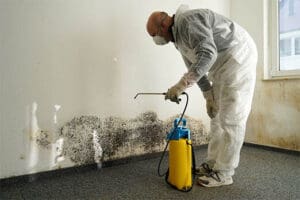 A proper inspection lays the groundwork for an effective remediation plan. Many people assume they’re dealing with a small problem because they only see mold in one corner or along a baseboard. In reality, visible mold is often the final clue in a larger pattern of hidden moisture.
During a mold inspection in Brooklyn or anywhere in NYC, we examine the space with tools designed to reveal what the eye cannot. Infrared scanners pick up temperature changes that point to moisture, meters confirm damp building materials, and air testing tells us how active the spores really are. Once we understand where the moisture is coming from and how far it has spread, we can design a remediation plan that eliminates the mold and avoids unnecessary demolition.
Readers who want more detail can explore our mold inspection guide for Brooklyn for a deeper breakdown of this process.
How Mold Remediation Works in Tight NYC Spaces
Mold remediation isn’t simply cleaning. It’s a controlled, highly procedural process that restores the health of the indoor environment. Older New York buildings require extra precision because mold spreads quickly when ventilation is limited or materials hold moisture longer than they should.
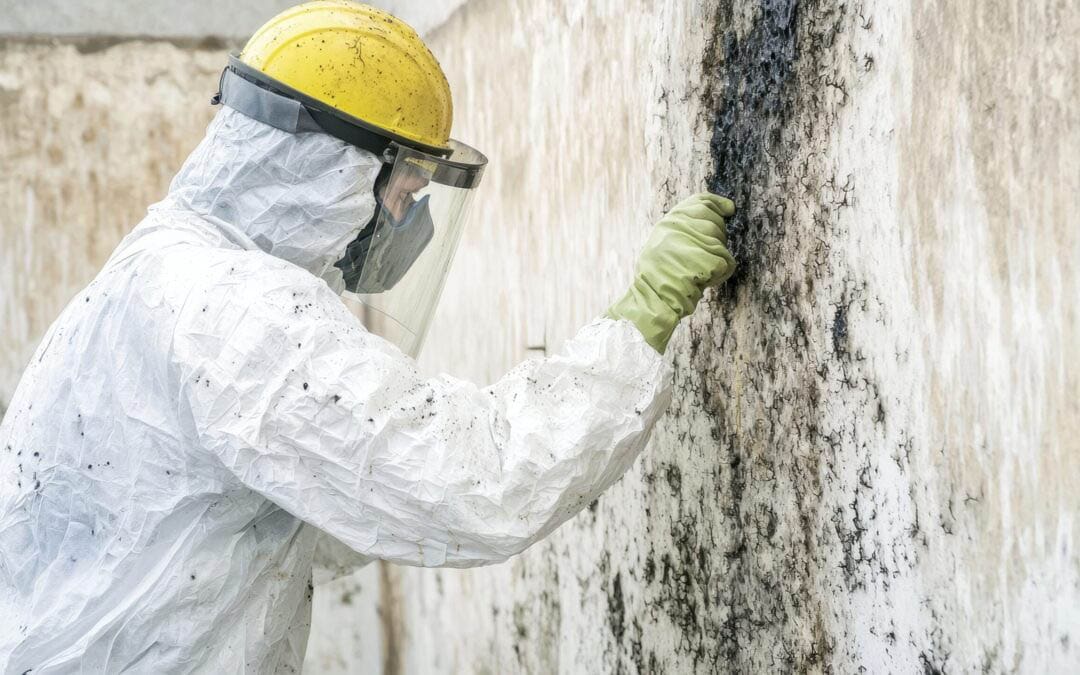
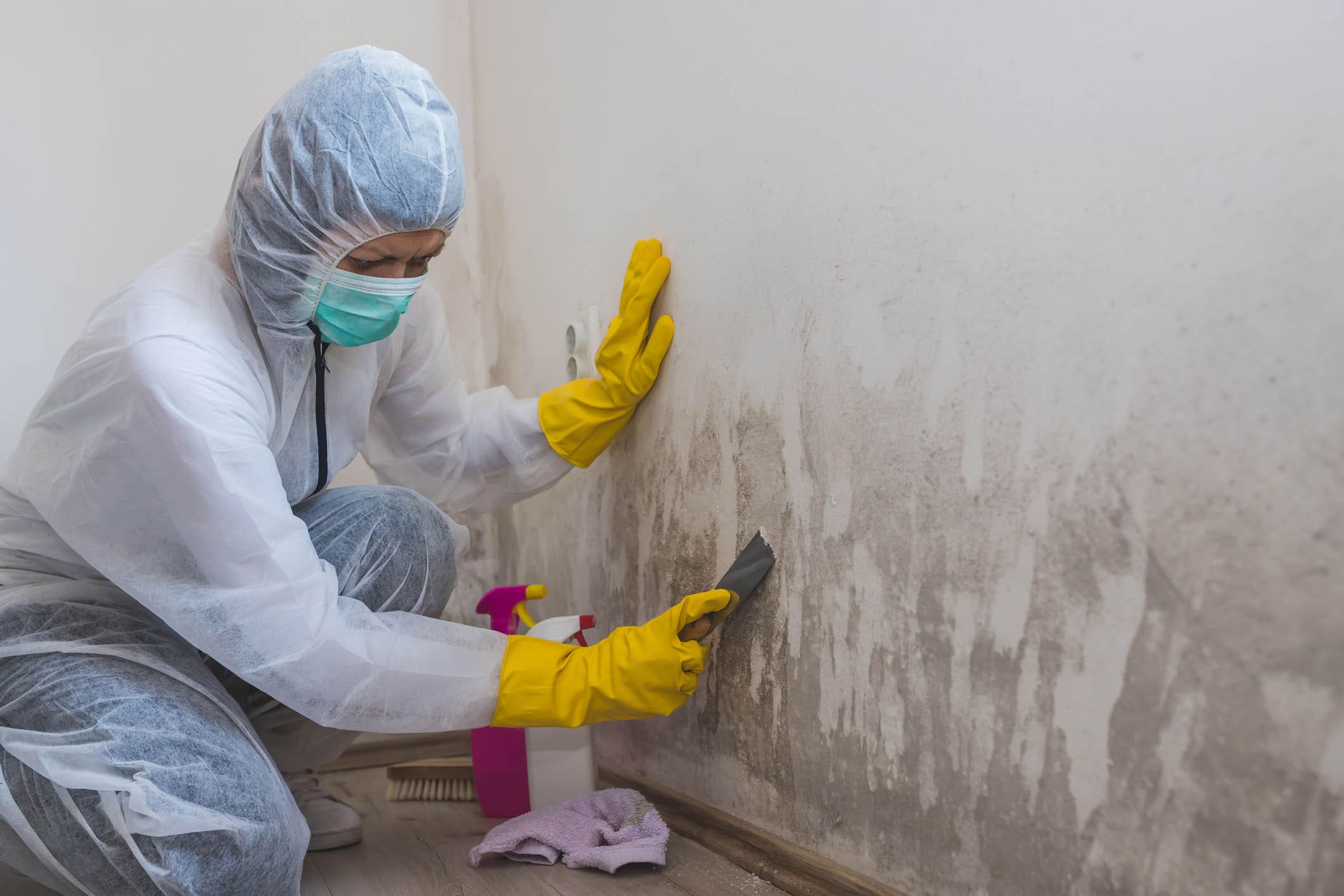
Proper remediation begins by isolating the affected area. Containment prevents mold spores from drifting into rooms that were not originally affected. HEPA filtration cleans the air while work is underway, keeping the space safe. Contaminated materials are removed carefully and replaced only when needed. Treated surfaces are cleaned with safe antimicrobial solutions, and the structure is dried thoroughly so mold cannot return.
For readers who want to explore each stage in more detail, our Brooklyn mold remediation resource outlines the complete process.
When Emergency Mold Removal Becomes Necessary
Unexpected water events can create mold faster than most people realize. A burst pipe in the Bronx, a leaking appliance in a Manhattan condo, or a roof failure in a Brooklyn townhouse can create the right conditions for mold within hours. When a property owner discovers mold suddenly, the situation usually calls for immediate intervention.
GreenRoom Remediation offers 24-hour emergency mold removal across NYC. Our team arrives with containment barriers, drying systems, and safe antimicrobial treatments to stop mold activity before it spreads. We prioritize quick stabilization to protect the structure and improve indoor air quality right away.
More guidance on these urgent situations is available in our NYC emergency mold removal overview.
The Role of Water Damage Remediation in Preventing Mold
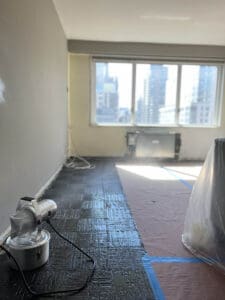 Mold and water damage are inseparable. If moisture remains inside the structure, mold eventually follows. Water damage remediation focuses on removing the water, identifying where it traveled, and drying the building so it cannot sustain mold colonies.
In older buildings throughout Brooklyn and Manhattan, materials like plaster, hardwood flooring, and insulation tend to hold moisture longer. That is why professional drying equipment, structural monitoring, and moisture mapping are so critical. Once the structure is dry and stable, the risk of mold decreases dramatically.
Our in-depth NYC water damage remediation guide explains how we stabilize properties that have been affected by leaks, flooding, or plumbing failures.
Many New Yorkers prefer safer, low-odor cleaning methods, especially in smaller apartments or spaces with limited airflow. Eco-friendly mold remediation uses plant-based cleaners, low-VOC antimicrobial treatments, and HEPA-filtered equipment to eliminate mold without introducing harsh chemicals.
This approach protects indoor air quality throughout Brooklyn, Manhattan, and Queens while still delivering strong, lasting results. It is especially helpful for families, pet owners, and businesses that want remediation without chemical disruption.
Commercial Mold and Water Damage in Multi-Unit NYC Properties
Commercial spaces present their own challenges. Mold or water damage in a retail store, office building, or mixed-use development often affects multiple units or shared ventilation systems. Business owners need solutions that restore safety quickly while minimizing downtime.
Our team manages complex containment setups, multi-floor drying operations, and detailed documentation for property managers, insurance providers, and regulatory requirements. Whether the issue begins in a mechanical room, behind a storefront wall, or inside a shared HVAC system, commercial remediation must be fast, precise, and compliant.
Recognizing Early Signs Before Damage Spreads
Early detection saves money and protects health. Many of the first signals are subtle: a slightly damp smell, peeling paint, condensation on windows, or a wall that feels softer than usual. These quiet signs often mean moisture has been present for longer than expected. Acting quickly prevents mold from spreading and helps maintain the structural integrity of the building.
Long-Term Strategies to Keep Mold from Returning
Once the immediate problem is solved, the focus shifts to prevention. Improving ventilation, reducing humidity, fixing minor plumbing issues, and monitoring areas prone to condensation all help keep mold from returning. Each NYC building is different, so prevention strategies depend on how the property is constructed and how it is used day to day.
Many Brooklyn homes benefit from better airflow in high-moisture areas. Manhattan apartments often need humidity control during summer months. Mixed-use buildings in Queens may require targeted upgrades to prevent recurring leakage. Good prevention creates long-lasting stability.
Why GreenRoom Remediation Remains a Trusted NYC Partner
GreenRoom Remediation has earned the trust of homeowners, landlords, and business owners across NYC because our work is built on precision, transparency, and long-term results. We understand the architecture, materials, and hidden moisture patterns unique to New York buildings, and we tailor each project to fit the property’s specific needs.
Whether you are managing a small Brooklyn apartment, a multi-family building in Queens, or a commercial space in Manhattan, our team brings certified expertise and clear communication to every stage of the process.
GreenRoom Remediation | NY State Licensed Mold Remediation Contractor (License #24-6S44B-SHMO) | IICRC-Certified | OSHA-Trained | BBB Accredited | Serving NYC, Brooklyn, Queens, Manhattan, the Bronx, Staten Island, Long Island, Westchester, and Surrounding Areas.
view related content