By GreenRoom Remediation · Updated November 6, 2026
Mold remediation in an NYC apartment building starts with a defined scope, a plan for the moisture source, and coordinated access. The work may involve an apartment, a shared wall cavity, a cellar or a common area. Building management, the independent mold assessor and the remediation contractor need the same information before cleanup begins.
This guide helps owners, co-op and condo boards, property managers and residents organize that process. For an active leak or flooding, contact building management promptly and discuss emergency water damage response separately from the mold remediation plan.
Start with the affected areas and moisture source
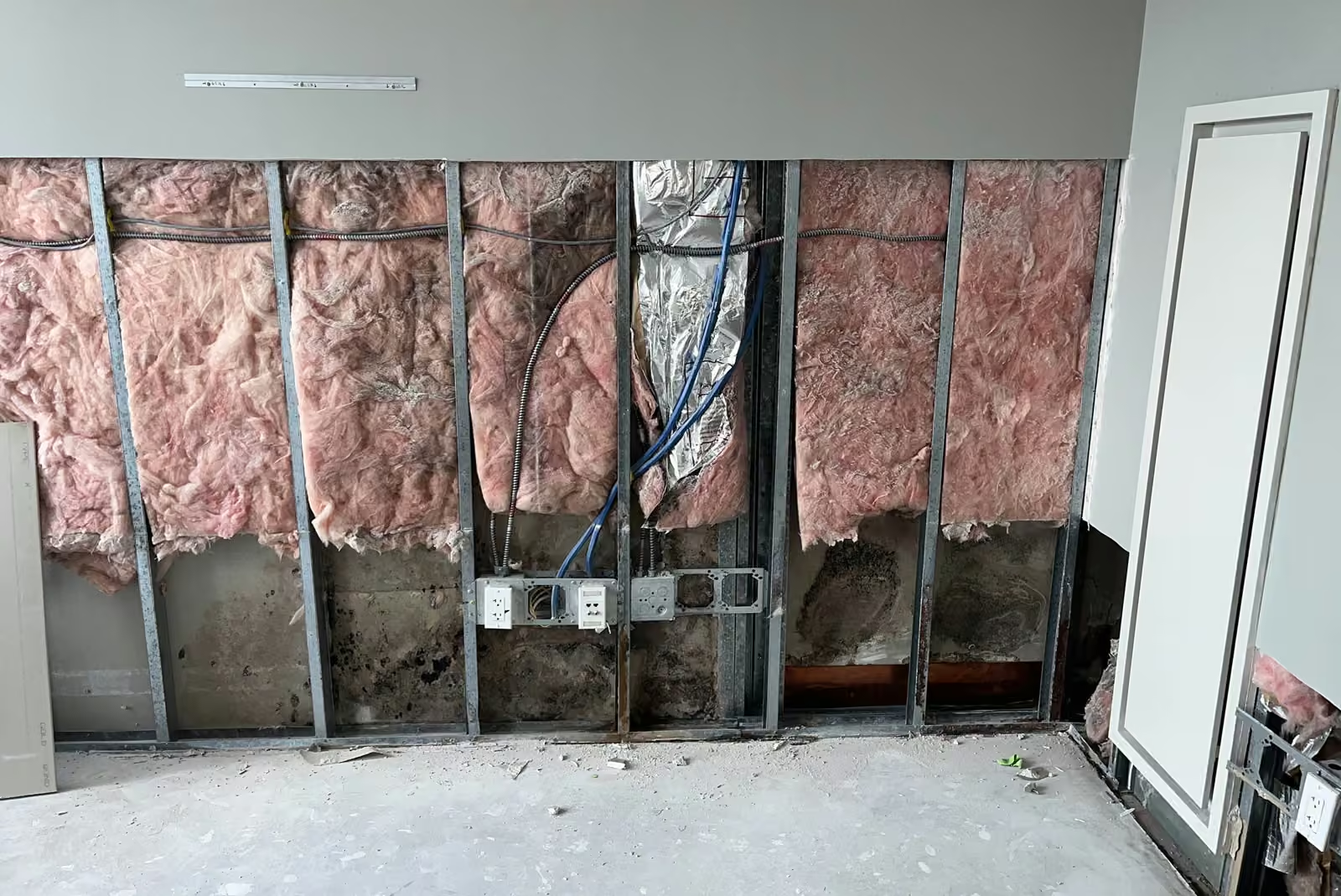
A stain in one apartment does not establish how much of the building is affected. Record the rooms involved, the history of the leak, any repairs already made and whether nearby apartments or common areas have similar concerns. Photographs and existing reports help the team plan access; they do not replace examination of concealed or inaccessible conditions.
The cleanup plan should address the moisture problem as well as the affected materials. EPA recommends identifying and correcting the water source and revisiting the plan when hidden conditions are found. See its remediation planning checklist.
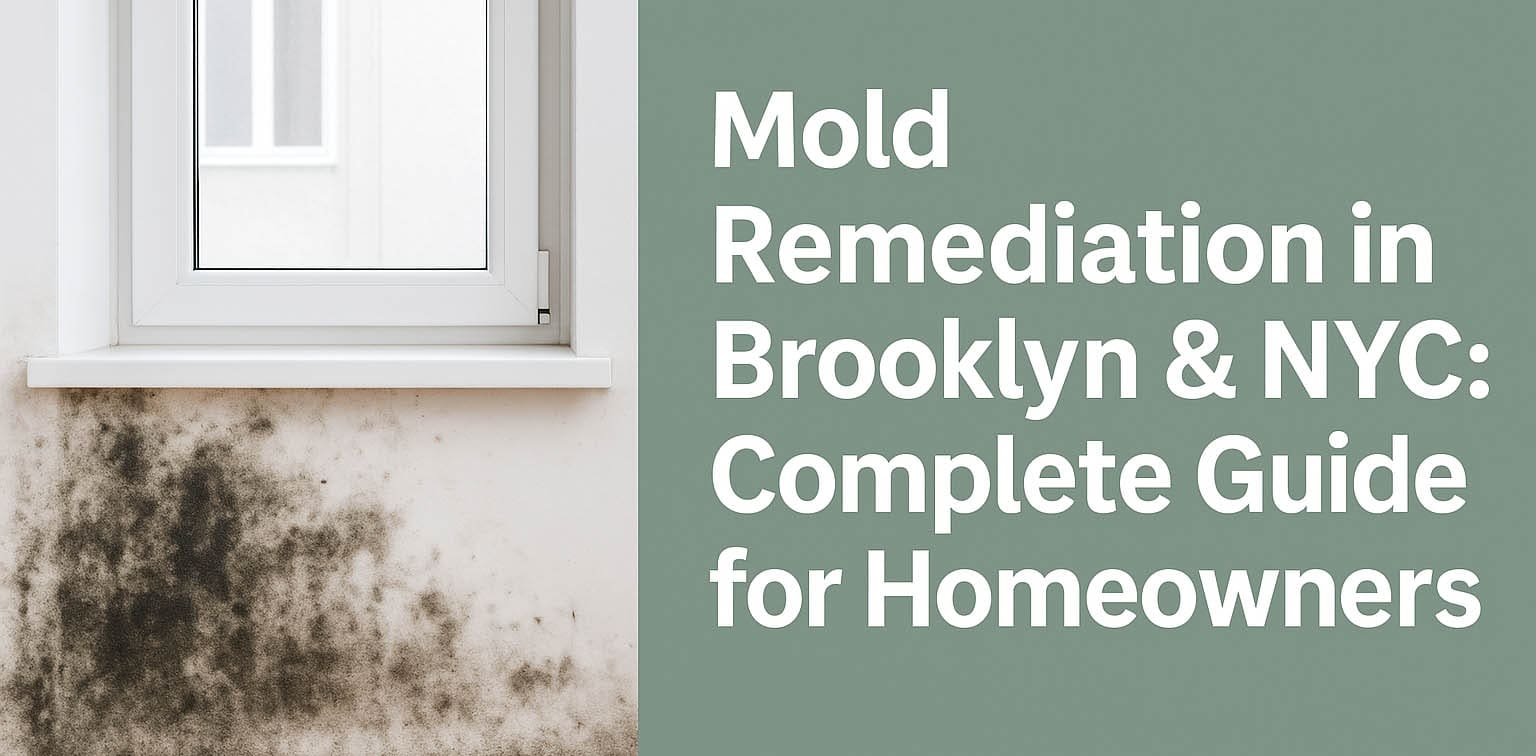
For moisture concentrated around windows during heating season, see our guide to window condensation and mold in NYC apartments for observations to document before discussing the cleanup scope.
Keep assessment, remediation and repairs clearly assigned
- Independent mold assessor: Defines the mold remediation plan and its clearance criteria for a regulated mold project.
- Mold remediation contractor: Prepares the work plan and carries out the specified cleanup. New York prohibits a licensee from performing both assessment and remediation on the same project.
- Building management and repair trades: Coordinate access and arrange the agreed plumbing, roof, facade or other moisture-source repairs. Identify reconstruction separately from remediation.
Before licensed remediation begins, the contractor needs the assessor’s plan. New York’s Department of Labor mold guidance explains the assessment and work-plan requirements. A contractor walkthrough is a job-planning visit; it does not replace an independent licensed mold assessment.
Building-access checklist before work starts
Choose one building contact who can coordinate the following details with the residents and project team:
- Locations: Apartment numbers, rooms, common areas and access to the spaces above, below or beside the reported problem when needed.
- Documents: The current assessor’s plan, relevant drawings, leak-repair records and photographs. Make sure everyone is using the same revision.
- Building logistics: Approved work hours, elevator reservations, loading access, certificates of insurance and any building-required approvals.
- Work-area boundaries: Where containment, controlled entry and equipment can be placed, with a route for workers and contained debris.
- Utilities and access: Available power, authorized access to affected areas and coordination with building staff for any systems that need attention.
- Communication: Who will notify residents, answer questions and approve a documented change if concealed damage expands the scope.
Confirm these arrangements before booking the work. A missed elevator reservation or inaccessible neighboring space can interrupt an otherwise ready project.
Containment in an occupied apartment building
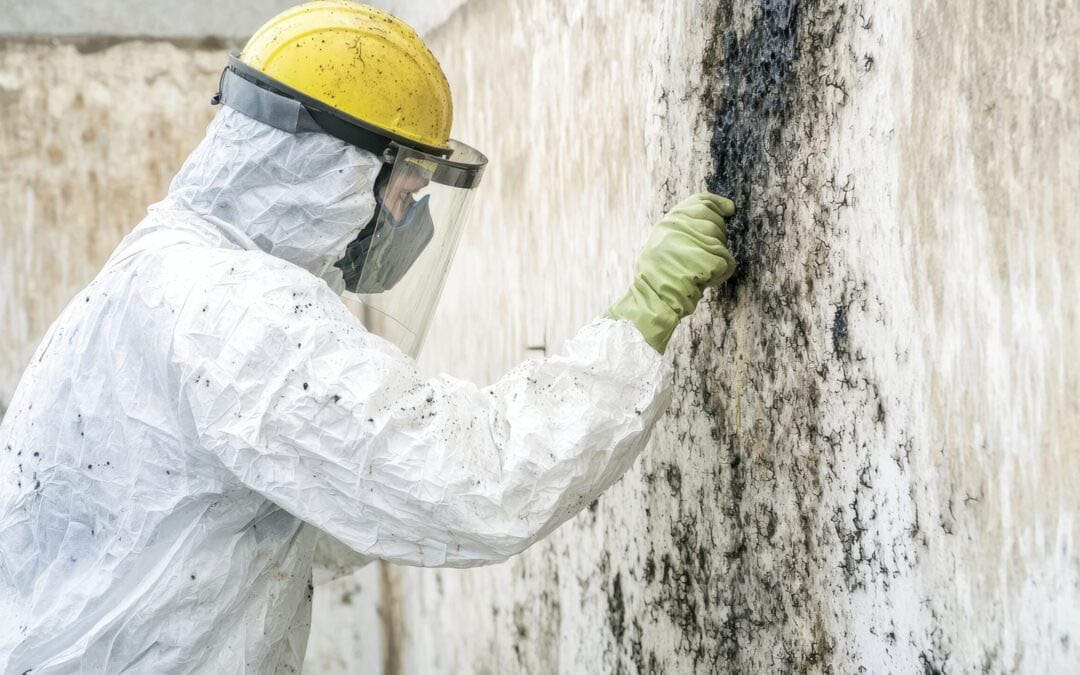
Containment is intended to limit the movement of dust and mold-contaminated debris into surrounding spaces. The appropriate setup depends on the affected materials, extent of the work, nearby occupants and the remediation plan. It may include critical barriers, controlled entry, HEPA filtration and negative-pressure arrangements.
Do not assume residents can stay in every affected space during the work. Occupancy and access decisions should be made for the specific conditions and scope. EPA’s planning and containment guidance describes factors to consider, including potential exposure and disruption.
Residents should receive clear updates about the work areas and access restrictions. Agree on a contact person and how schedule changes will be communicated; EPA also emphasizes communication with building occupants.
What changes the scope, price and schedule?
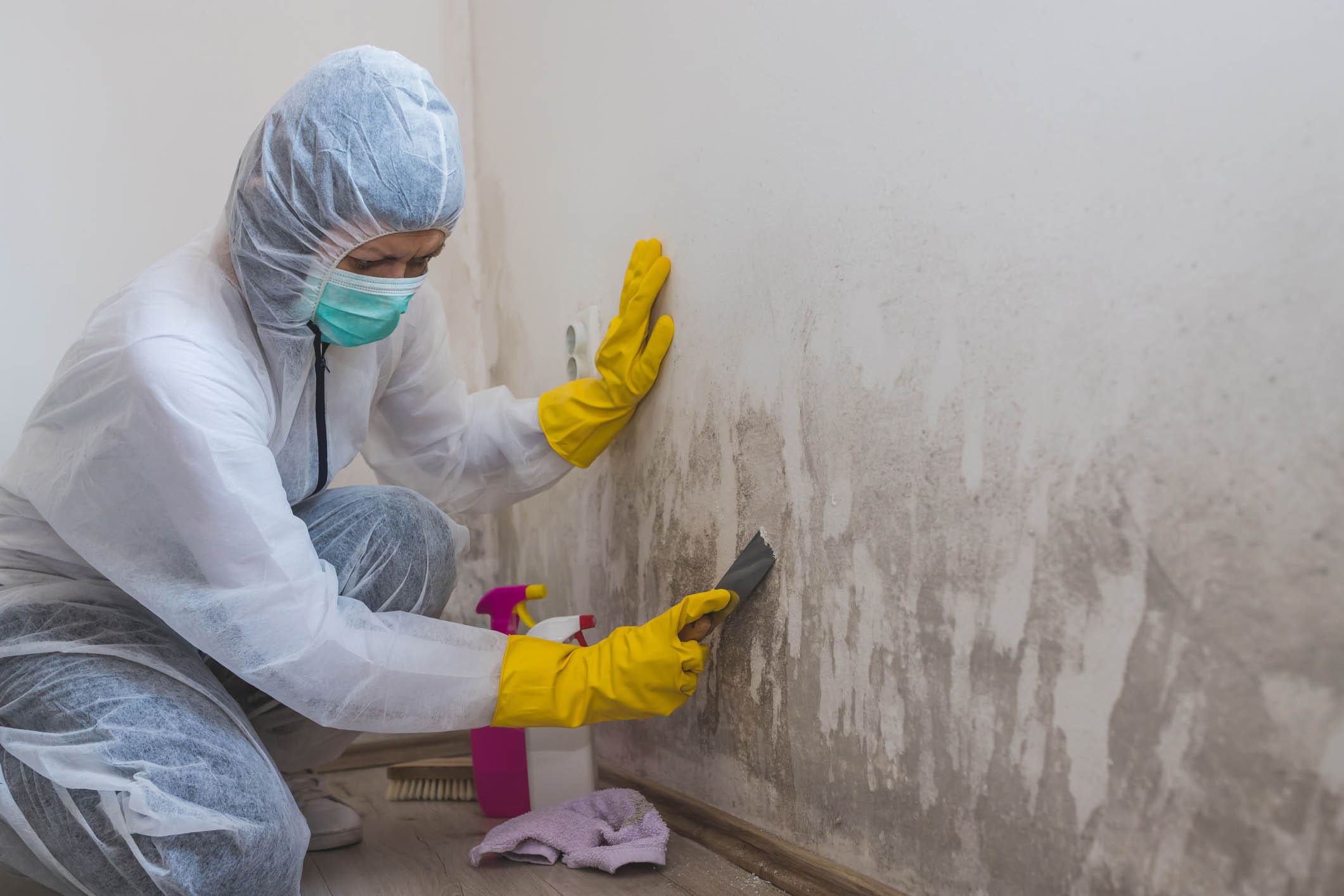
The visible area is only part of the estimate. Removal of different wall or floor assemblies, work inside cavities, containment layout, equipment requirements, debris handling and building access can change the scope. Work in several apartments also requires coordinated access to each location.
Ask the proposal to identify the areas and tasks included, equipment quantities and rental days, debris allowances and exclusions. If opening an assembly reveals additional affected material, document the finding and agree on the revised scope and price before proceeding with additional work. Keep source repairs and reconstruction clear so they are not mistaken for included cleanup.
Closeout before reconstruction
Keep the assessor’s plan, contractor work plan, approved changes, progress photographs and moisture documentation together. For a regulated mold project, the independent licensed assessor evaluates the completed work against the plan and issues the applicable clearance or final status report. New York’s post-remediation assessment requirements describe this process.
Coordinate clearance and any remaining moisture-source repairs before closing affected assemblies. Agree who is responsible for the reconstruction work and what documentation the building wants to retain.
Questions from NYC owners and property managers
Does mold in one apartment mean the whole building needs remediation?
No. The scope should follow the documented conditions. A shared leak or cavity can justify checking adjacent spaces, but one affected location does not establish that every apartment is affected.
Can management arrange one coordinated project for several units?
Discuss a coordinated scope with the assessor and contractor. Identify the work and access arrangements for each unit, common area and project phase so responsibilities and clearance requirements are clear.
What should I send GreenRoom before a walkthrough?
Send the property address, apartment or common-area locations, photographs, leak history and the current independent assessor’s plan if available. Include the building contact, access restrictions and preferred timing. We can then discuss the appropriate next step.
Plan your building’s next step with GreenRoom
GreenRoom provides mold remediation in NYC and water damage restoration. We work with owners, managers and boards to turn the documented scope and building requirements into a practical work plan.
For job planning, our $299 property walkthrough is credited in full toward GreenRoom remediation or restoration work if you proceed. Licensed assessment and testing are separate services.
Call (917) 965-3754 to discuss your property, or request a free quote and tell us where you are in the assessment and planning process.
GreenRoom Remediation | NY State Licensed Mold Remediation Contractor (License #25-6S44B-SHMO) | IICRC-Certified | OSHA-Trained | BBB Accredited | Serving NYC, Brooklyn, Queens, Manhattan, the Bronx, Staten Island, Long Island, Westchester, and Surrounding Areas.
view related content