table of contents
New York City properties face mold risks that are very different from newer, suburban homes. Aging infrastructure, shared plumbing systems, limited ventilation, and dense construction all increase the likelihood of hidden moisture problems. For many homeowners and property managers, the first question isn’t how to remove mold, but whether mold is actually present. That’s where a professional mold inspection becomes critical.
At GreenRoom Remediation, mold inspections are treated as a diagnostic process, not a sales tactic. The goal is to identify conditions accurately so remediation is only recommended when it is genuinely necessary.
What a Professional Mold Inspection in NYC Actually Includes
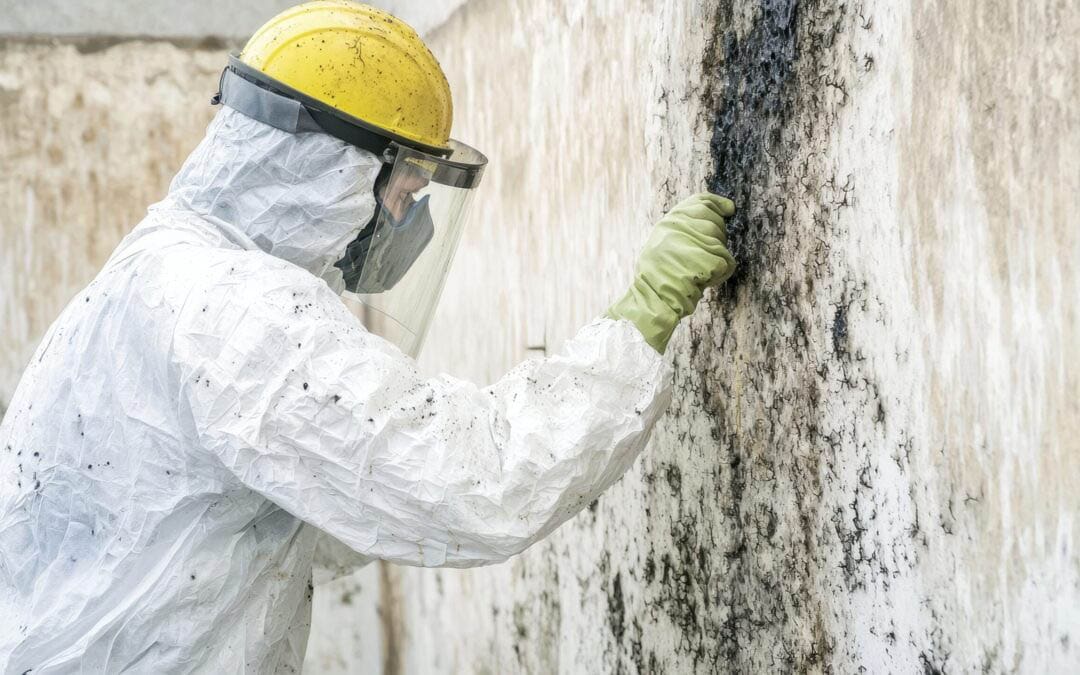
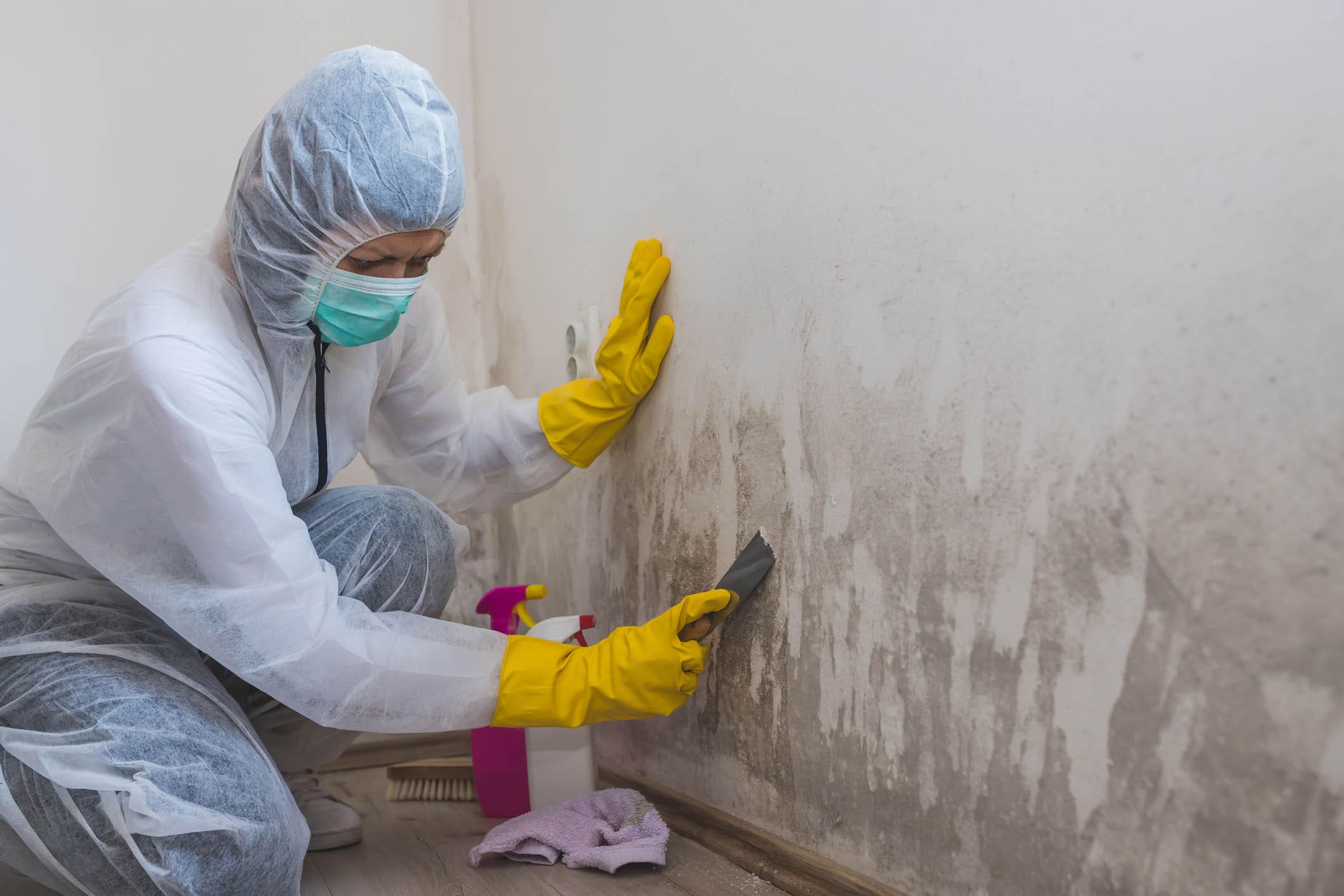
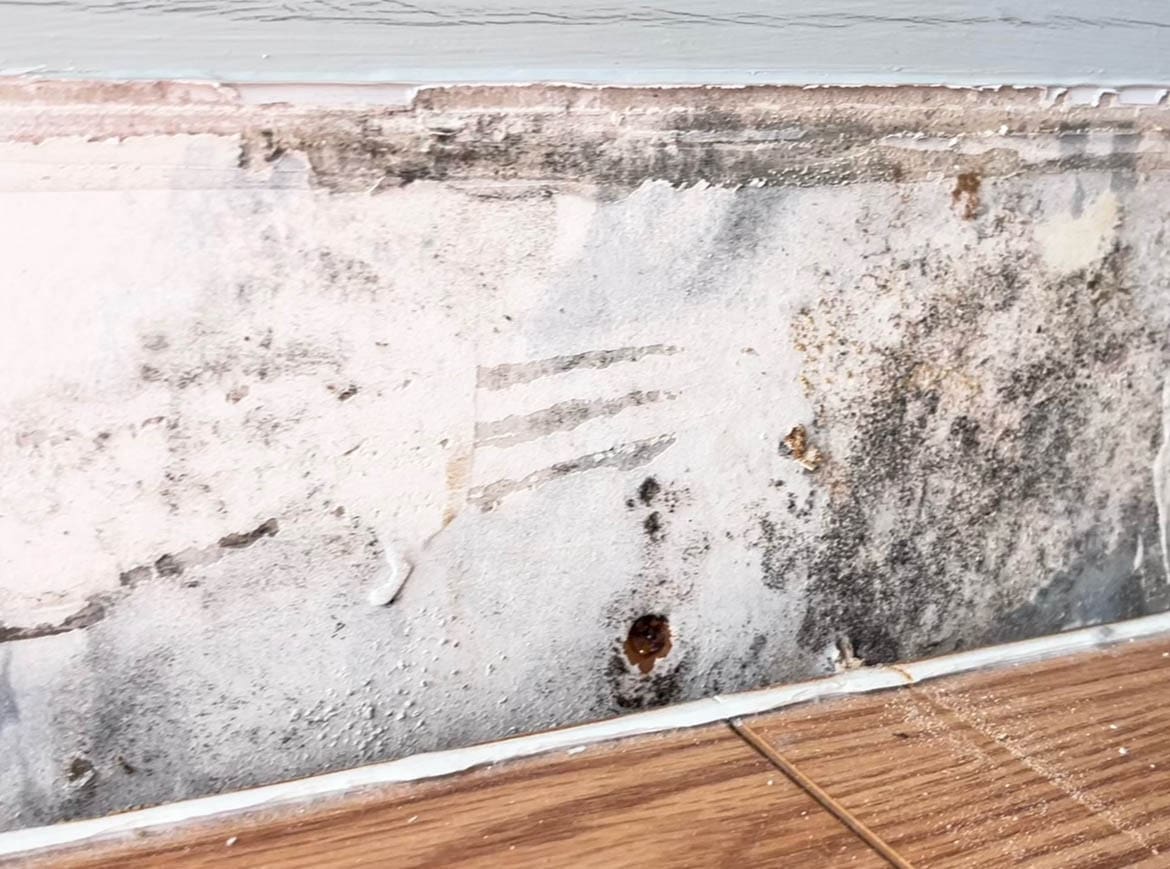
A proper mold inspection goes far beyond a quick walk-through. In NYC homes and apartment buildings, mold often develops behind walls, beneath flooring, inside ceiling cavities, or near plumbing chases shared between units. A professional inspection evaluates visible mold, moisture intrusion, ventilation performance, and building materials that may be retaining moisture.
Inspectors also assess recent water damage, historical leaks, roof or facade issues, and humidity levels. In boroughs like Brooklyn and Manhattan, older buildings with outdated plumbing systems are particularly prone to slow leaks that create long-term mold conditions without obvious warning signs.
Mold Testing vs Mold Inspection: Understanding the Difference
Many property owners assume mold testing is always required. In reality, testing is only one possible tool within a broader inspection process. Air sampling or surface testing is used when results will influence remediation scope or clarify exposure concerns. Testing alone does not fix mold and, when used incorrectly, can create unnecessary alarm.
For most NYC properties, visual inspection combined with moisture detection provides enough information to move forward responsibly. When testing is needed, it should support a clear remediation strategy rather than replace professional judgment.
When You Should Schedule a Mold Inspection
A mold inspection is strongly recommended after any form of water damage, including leaks, flooding, or burst pipes. It is also appropriate when musty odors persist, health symptoms worsen indoors, or visible mold reappears after cleaning. In multi-unit buildings, inspections are essential when the source of moisture may originate from another apartment or common system.
For buyers and sellers, inspections provide clarity during real estate transactions and help avoid disputes later. In NYC, where disclosure and liability matter, documentation from a professional inspection is a valuable safeguard.
Why NYC Properties Require Specialized Mold Inspections
Unlike standalone homes, NYC buildings function as interconnected systems. Mold issues rarely exist in isolation. A Green Room approaches inspections with this reality in mind, evaluating the building holistically rather than focusing on one visible area.
Accurate inspections prevent unnecessary remediation while ensuring real problems are addressed correctly. For NYC property owners, this step often saves significant time, money, and stress.
GreenRoom Remediation | NY State Licensed Mold Remediation Contractor (License #24-6S44B-SHMO) | IICRC-Certified | OSHA-Trained | BBB Accredited | Serving NYC, Brooklyn, Queens, Manhattan, the Bronx, Staten Island, Long Island, Westchester, and Surrounding Areas.
view related content