
Decontamination is crucial for removing hazardous substances from equipment, structures, and the environment. It plays a vital role in all environmental remediation efforts, whether done through physical or chemical methods
why choose us for Decontamination
We understand the importance of a safe and healthy indoor environment for you and your loved ones. Mold infestations can compromise both the structural integrity of your property and the well-being of its occupants. That’s why we’re dedicated to providing top-notch mold decontamination services to restore your peace of mind and safeguard your property.
Decontamination is essential for eliminating harmful substances from equipment, buildings, and the surroundings, playing a critical part in all environmental cleanup endeavors, whether carried out through physical or chemical means. In the realm of mold removal, decontamination involves disinfecting structures affected by mold and eradicating mold spores and particles from the air using HEPA filtration devices. Additionally, decontamination may require using HEPA vacuum cleaners to clean surfaces.
GreenRoom Remediation adheres strictly to industry norms, such as the ‘NYC/EPA Guidelines for Mold Abatement’. GreenRoom Remediation employs state-of-the-art technology extensively to guarantee thorough decontamination throughout mold removal and post-cleanup procedures.

Here’s a breakdown of the typical steps involved

1
Before decontamination begins, a thorough assessment of the mold-infested area is conducted. This includes identifying the extent of the mold growth, the type of mold present, and any underlying causes such as water leaks or moisture issues
2
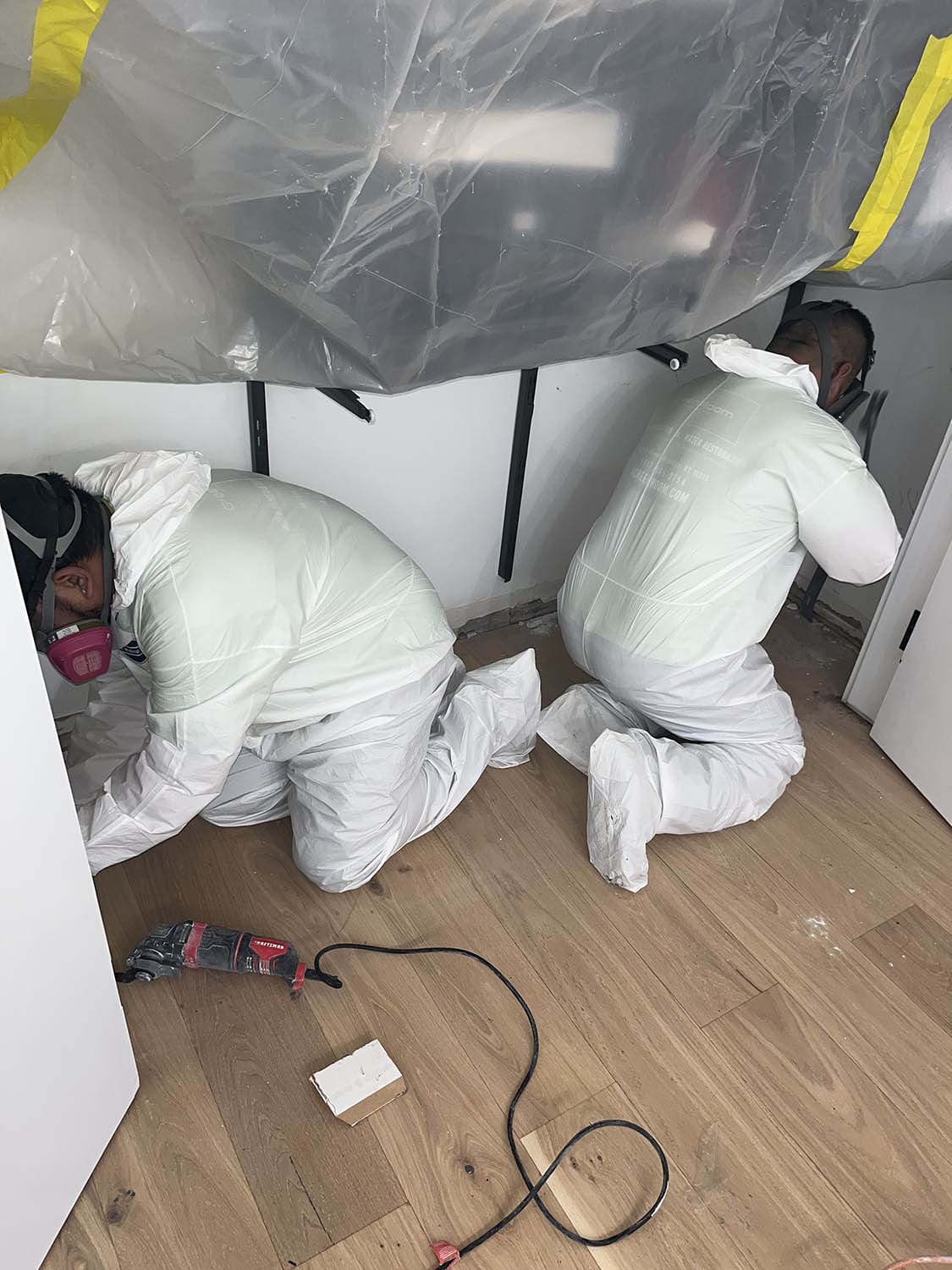
To prevent the spread of mold spores to unaffected areas, containment measures are implemented. This typically involves sealing off the contaminated area using plastic sheeting and creating a negative air pressure environment using HEPA-filtered air scrubbers.
3
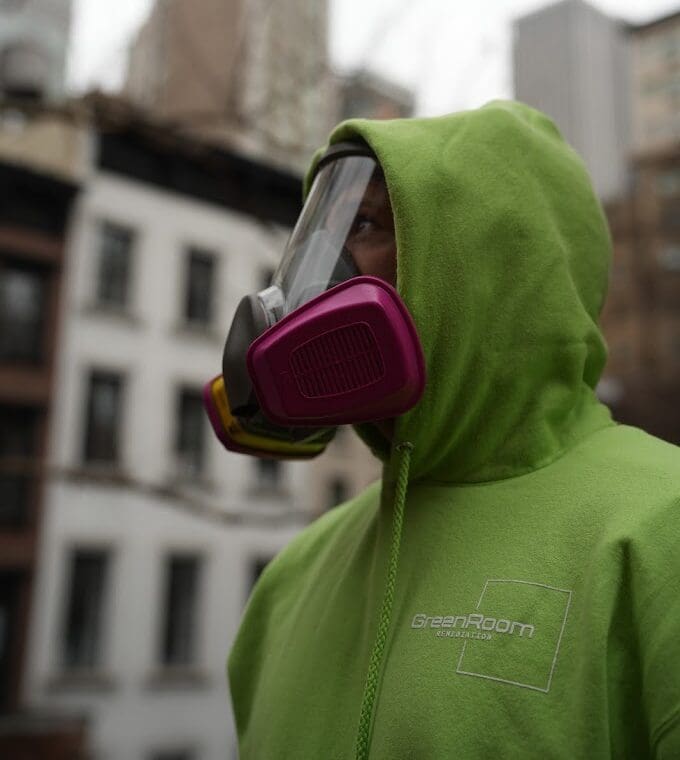
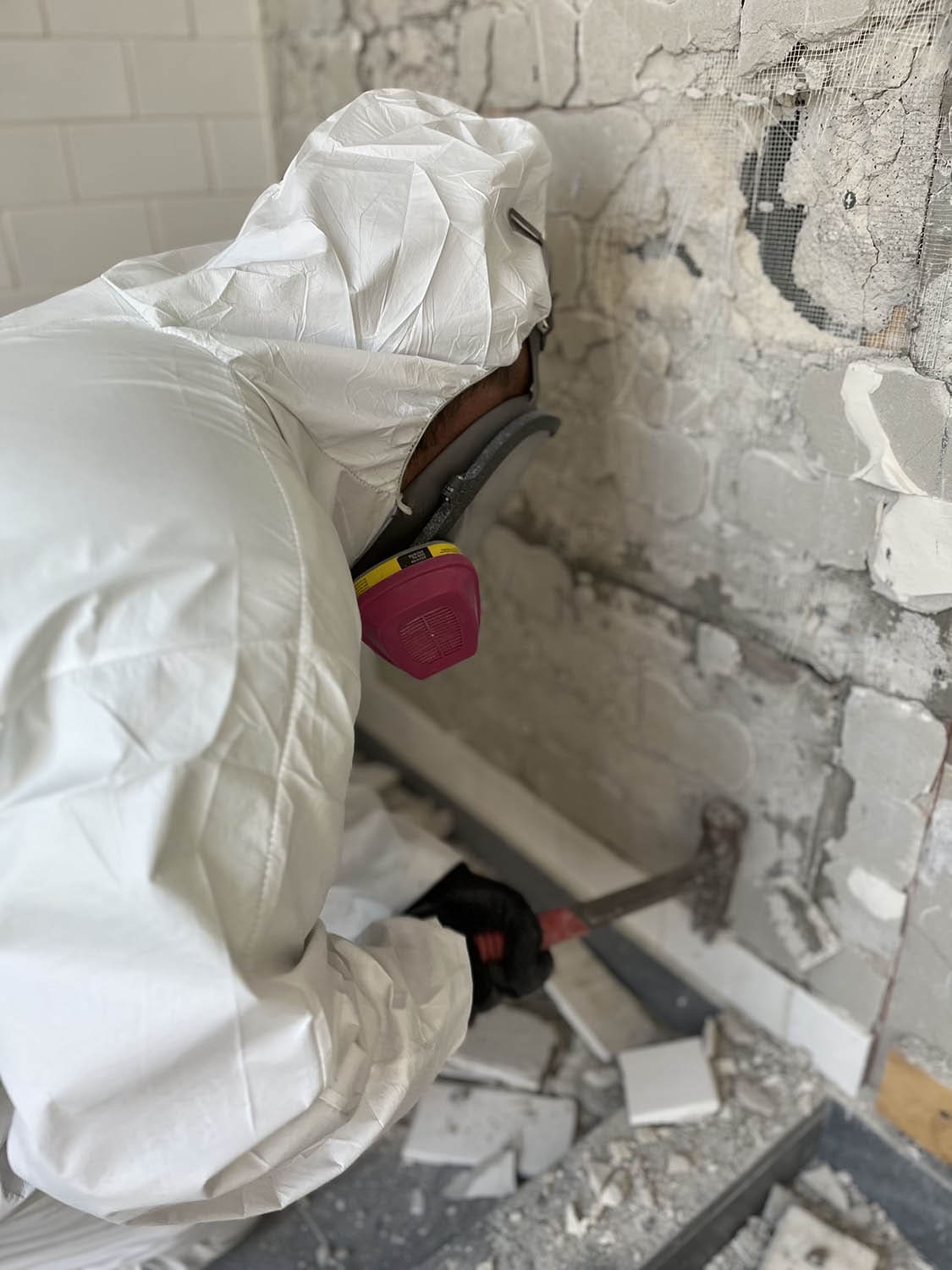
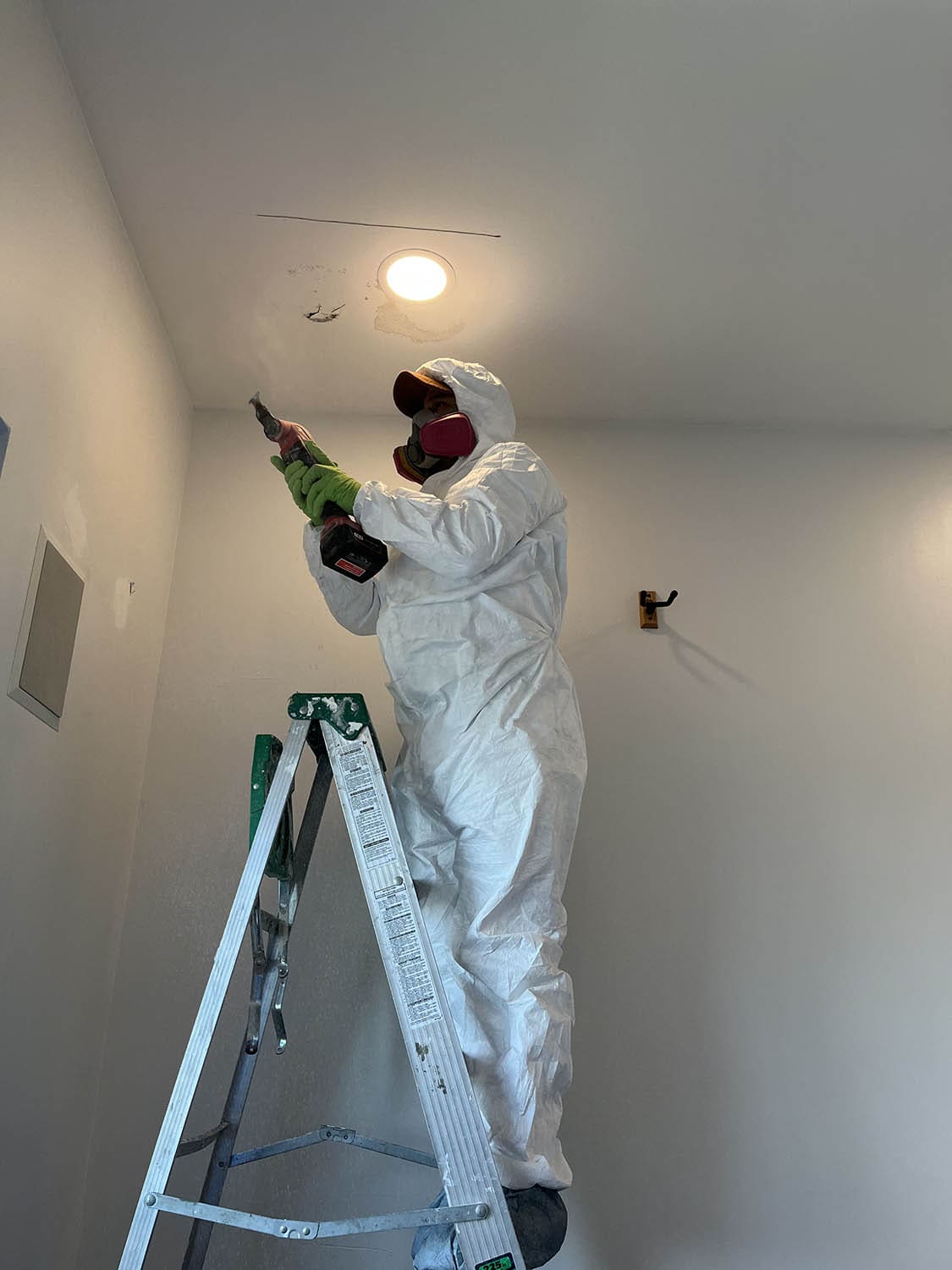
Technicians don appropriate PPE, including respirators, gloves, and protective suits, to minimize exposure to mold spores and mycotoxins during the decontamination process.
4
Mold-infested materials such as drywall, insulation, carpeting, and furniture may need to be removed and safely disposed of to eliminate the source of the mold.
5
Surfaces in the affected area are thoroughly cleaned and disinfected using specialized antimicrobial agents. This helps kill mold spores and inhibit future mold growth. HEPA vacuuming is often employed to remove settled spores from surfaces.
6
Moisture is a primary contributor to mold growth, so ensuring the affected area is thoroughly dried is crucial. Dehumidifiers and industrial fans may be used to expedite the drying process.
7
After decontamination, the area is re-inspected to ensure that all mold growth has been effectively removed. Air and surface sampling may be conducted to verify that mold levels have returned to acceptable levels.
8
To prevent future mold growth, remediation technicians may recommend or implement measures such as improving ventilation, repairing leaks, and installing moisture barriers.
9
Comprehensive documentation of the remediation process, including before-and-after photos, moisture readings, and test results, is typically provided to the property owner or manager for their records.
10
Once the remediation process is complete and the area has been deemed safe, clearance testing may be performed by a third-party environmental consultant to certify that the mold remediation was successful and the area is safe for occupancy.

other services
Decontamination FAQs
Professional decontamination steps in when a space has been exposed to microorganisms, allergens, odors, or biohazards that regular cleaning cannot safely remove. Situations like sewage backups, pest activity, medical spills, or contamination in multi-unit NYC buildings often require a certified team to sanitize both surfaces and the air. GreenRoom Remediation uses EPA-approved disinfectants, HEPA-filtered equipment, and targeted fogging so hidden areas and high-touch surfaces are treated fully. Many property owners also request decontamination before reoccupying a space, preparing a rental for new tenants, or restoring a building after water or mold issues.
Decontamination goes far beyond basic cleaning because it targets harmful pathogens, not just dust or visible dirt. It involves specialized products and equipment designed to neutralize bacteria, viruses, mold spores, and allergens that can linger on surfaces or circulate through indoor air. GreenRoom Remediation uses EPA-registered disinfectants, fine mist fogging, and HEPA vacuums that reach crevices a standard wipe-down would miss. This deeper level of treatment is especially important in NYC buildings where shared ventilation and tight spaces can allow contaminants to spread easily.
Yes. GreenRoom Remediation offers commercial decontamination throughout NYC, including offices, schools, gyms, medical suites, restaurants, and multi-unit residential buildings. Commercial properties often have high-traffic areas, shared facilities, and strict safety requirements, so we tailor the process to the layout and occupancy schedule. We can arrange after-hours work or weekend appointments to minimize disruption and provide documentation if property managers, co-op boards, or insurance carriers request proof of treatment.
Most decontamination projects take only a few hours for a standard home, office suite, or apartment. Larger buildings, multi-floor properties, or spaces with confirmed contamination may require additional time for multiple passes or air-quality stabilization. GreenRoom Remediation evaluates the square footage, HVAC conditions, and contamination level before providing a timeline. Our goal is always the same: complete coverage and safe reentry as soon as possible.
Yes. GreenRoom Remediation prioritizes low-toxicity, residue-free products that sanitize effectively without compromising indoor air quality. We use biodegradable antimicrobial solutions and HEPA filtration to protect families, pets, staff, and sensitive environments. Many clients choose our eco-conscious approach because it allows them to return to the space comfortably once treatment is complete.