table of contents
Mold exposure is a common concern in New York City, particularly in older buildings where moisture problems are difficult to detect. While not everyone experiences the same reaction, prolonged exposure can negatively affect indoor air quality and overall health, especially in densely occupied environments.
Understanding these mold exposure health risks allows NYC residents and property owners to take informed action without unnecessary alarm.
Common Symptoms Associated With Mold Exposure
Mold exposure may contribute to respiratory irritation, sinus congestion, coughing, headaches, eye irritation, and allergy-like symptoms. Individuals with asthma, compromised immune systems, or existing respiratory conditions may be more sensitive to mold-related triggers.
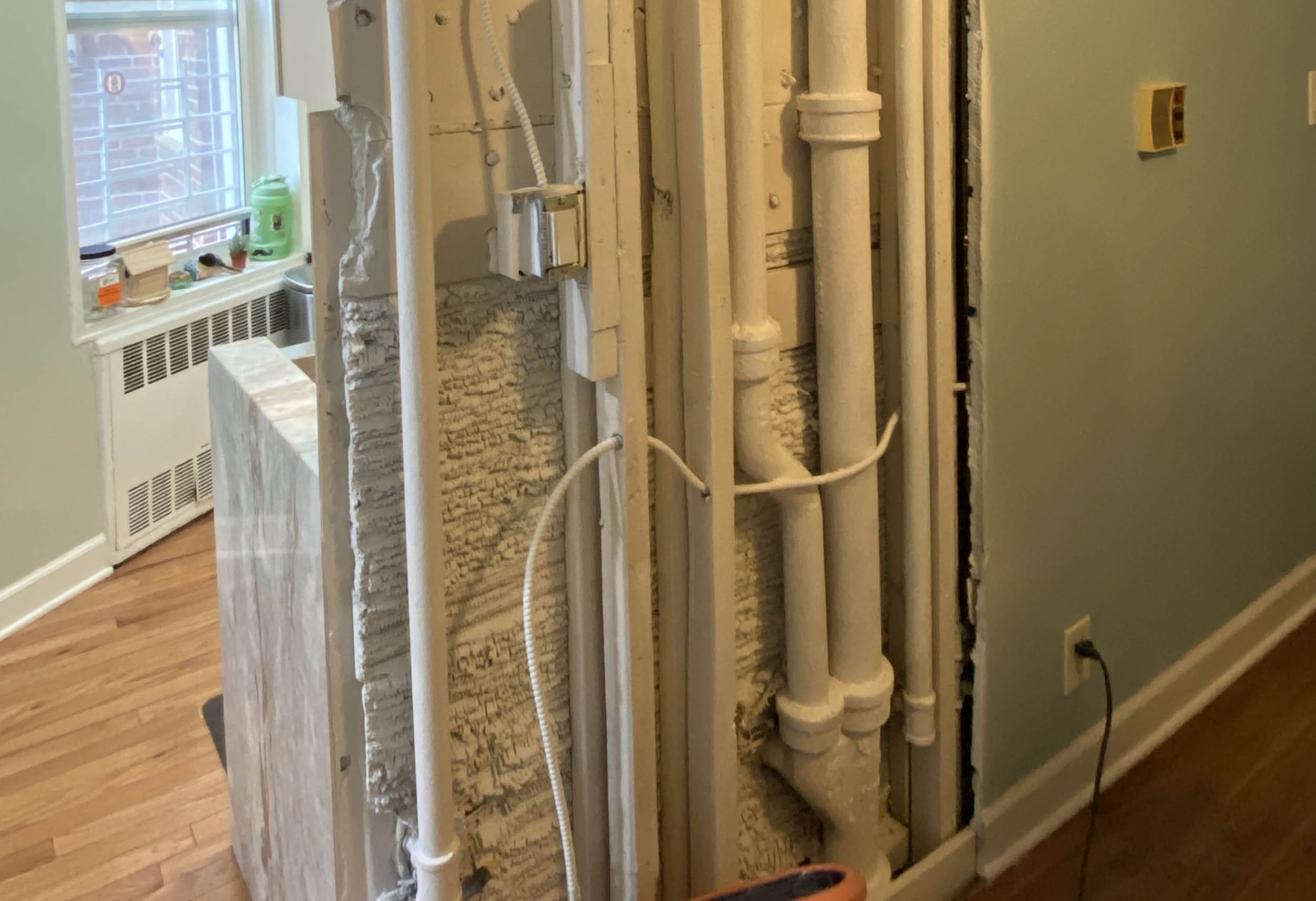
In apartment buildings, symptoms can occur even when mold is not visible within the unit, making identification more challenging. Shared plumbing systems add another layer of risk. In multi-unit buildings, leaks do not always originate in the unit where mold appears. A slow drip from an upstairs bathroom, a pipe chase running between apartments, or a minor roof intrusion can allow moisture to migrate downward or laterally through structural materials. Because walls and ceilings are interconnected, mold growth in one apartment may impact neighboring units without immediate visibility.
Why NYC Living Conditions Increase Mold Exposure Risk
New York City’s housing stock presents a unique combination of environmental factors that make mold growth more likely than in many suburban or newly built areas. A large percentage of residential buildings in Brooklyn, Manhattan, Queens, and the Bronx were constructed decades ago, often before modern moisture-control standards were in place. Aging plumbing systems, outdated ventilation, masonry facades, and layered renovations over time can create hidden pockets where moisture accumulates without obvious warning signs.
Limited ventilation is one of the most significant contributors. In many apartments, especially pre-war buildings and converted spaces, bathrooms and kitchens may lack adequate airflow. Steam from showers, cooking humidity, and everyday condensation can linger, gradually seeping into drywall, subflooring, and ceiling cavities. Over time, this trapped moisture provides an ideal environment for mold to develop behind surfaces that appear intact from the outside.
Basements and ground-level units in Brooklyn and parts of Queens are particularly vulnerable due to fluctuating groundwater levels, foundation seepage, and limited natural airflow. Even small amounts of recurring dampness can sustain mold growth over time. In taller Manhattan buildings, condensation around HVAC systems and mechanical rooms may create similar hidden conditions.
Dense urban living also means less separation between moisture sources and living spaces. Unlike detached homes where airflow may disperse humidity more easily, NYC apartments often rely on shared building systems. This makes early detection and professional assessment critical, especially when symptoms or odors persist.
GreenRoom Remediation regularly encounters mold conditions tied not to catastrophic flooding, but to slow, ongoing moisture issues that are typical in New York City properties. Understanding how building age, ventilation patterns, and structural design interact is essential when evaluating mold exposure risk in this environment.
The Risks of DIY Mold Removal
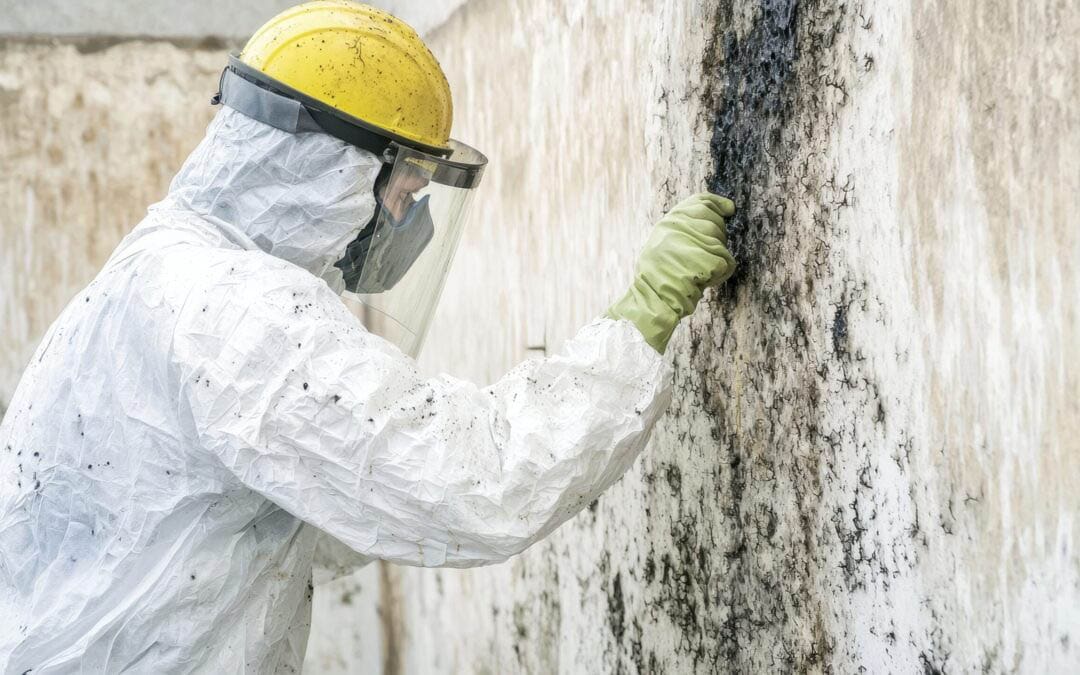
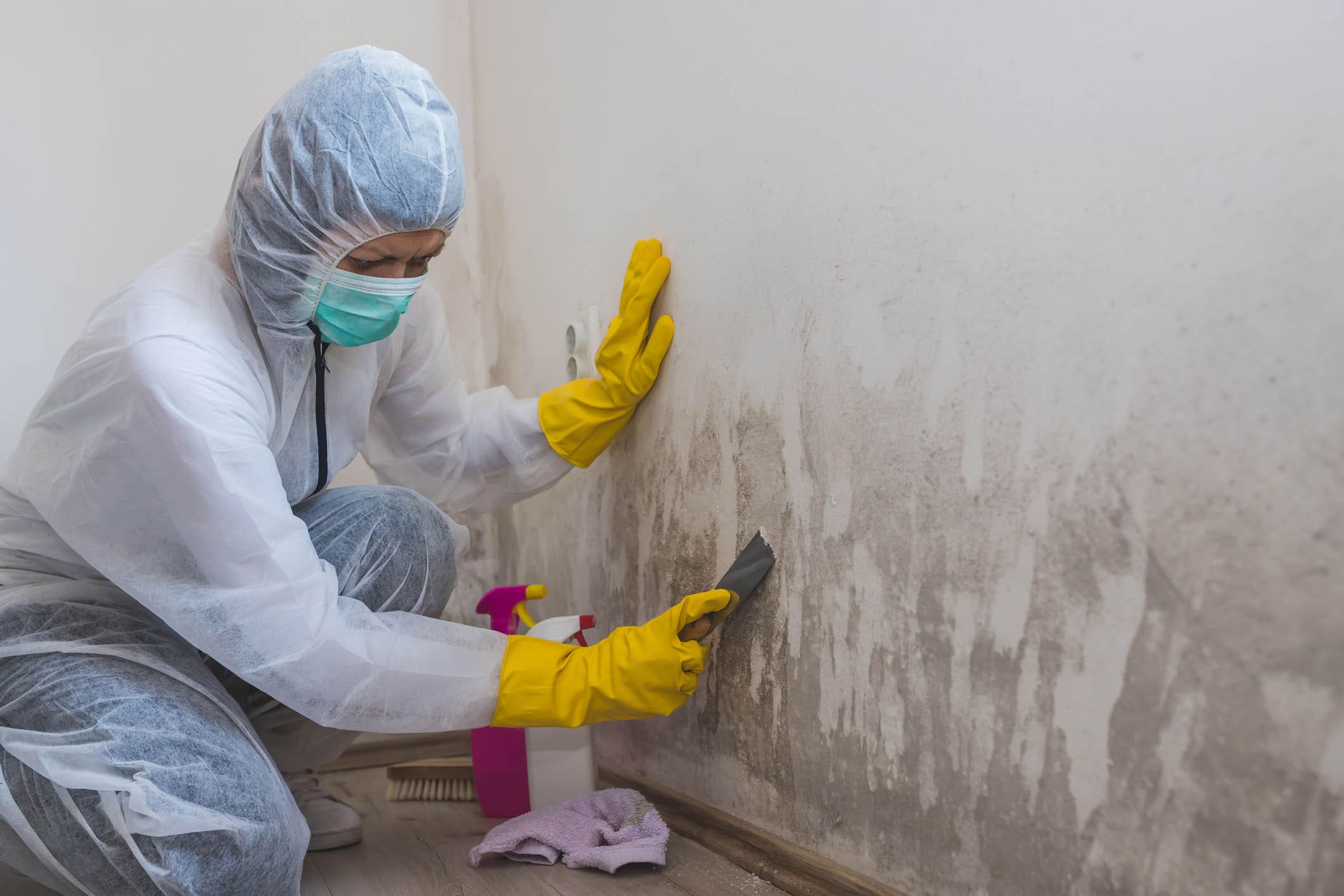
Attempting to remove mold without proper containment can release spores into the air, increasing exposure rather than reducing it. DIY methods typically address visible mold but fail to eliminate hidden contamination or resolve moisture issues.
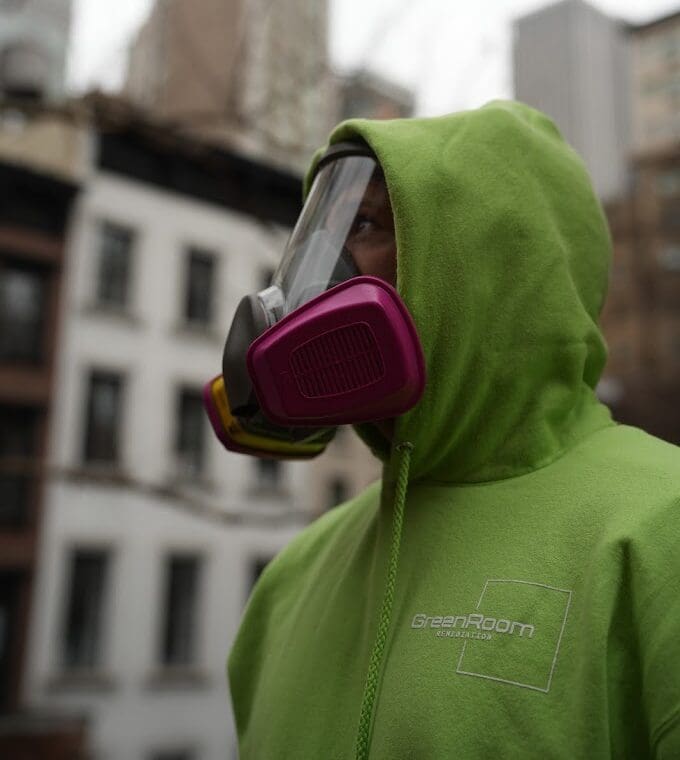
Professional remediation focuses on controlled removal, air filtration, and moisture correction, all of which contribute to improved indoor air quality.
When Professional Mold Remediation Is Necessary
If symptoms persist indoors, worsen over time, or noticeably improve when you leave the property, environmental factors such as hidden moisture or mold contamination should be considered. In dense urban environments like New York City, where buildings share walls, plumbing systems, and ventilation pathways, mold conditions often extend beyond what is visible. A professional inspection helps determine whether the issue is surface-level or part of a larger moisture problem affecting structural materials, air pathways, or adjacent units.
Professional mold remediation becomes necessary when contamination extends beyond a small, isolated area, when porous materials are affected, or when the moisture source cannot be easily corrected. Recurring mold growth, musty odors that return after cleaning, or contamination following water damage are strong indicators that deeper remediation is required. Attempting to address these conditions without proper containment can spread spores and worsen indoor air quality.
GreenRoom Remediation works throughout Brooklyn, Manhattan, Queens, the Bronx, Staten Island, and Nassau County, providing structured remediation plans tailored to NYC’s unique building conditions. Rather than simply removing visible mold, the process focuses on identifying the moisture driver, establishing containment, using HEPA filtration, and verifying that the affected area is properly restored. This methodical approach reinforces long-term prevention instead of temporary cleanup.
Early professional intervention reduces health risks, limits structural damage, and prevents recurring contamination. In a city where building systems are interconnected and moisture can migrate quickly, waiting often allows the problem to expand. Acting promptly ensures the issue is resolved at its source, protecting both the property and the people inside it.
view related content