table of contents
The puddle is gone. Is your property ready for repairs? After a burst pipe, ceiling leak or flooded basement, removing visible water is only the beginning. Knowing the difference between water mitigation and restoration helps you understand the work ahead—and compare proposals with confidence.
The quick answer: Water mitigation limits further damage through water removal, drying and moisture monitoring. Water damage restoration repairs or replaces damaged materials after the affected area is ready. Mitigation comes first; rebuilding follows verified drying and any necessary cleanup.
Companies sometimes use “restoration” for the entire recovery process. Ask what the written scope includes, rather than relying on the service name alone.
Dealing with active water damage in NYC? Call (917) 965-3754 to discuss 24-hour emergency water damage response and current availability.
Water mitigation vs. restoration at a glance
| What to compare | Water mitigation | Water damage restoration |
|---|---|---|
| Main purpose | Limit further damage and address moisture. | Repair or replace damaged building materials. |
| Typical work | Extraction, appropriate material removal, drying equipment and moisture checks. | Drywall, flooring, trim, cabinetry, painting and other agreed repairs. |
| When it happens | As soon as the area is safe and access is authorized. | After drying, required cleanup and relevant approvals. |
| Useful documentation | Photos, affected-area notes, moisture readings, equipment records and drying progress. | A repair scope, material selections, pricing, exclusions and schedule. |
What happens during water mitigation?
A crew first needs to understand where the water came from, how far it traveled and what it affected. A plumber or building representative may need to stop the source. Extraction removes accessible water; drying addresses moisture remaining in materials and enclosed spaces.
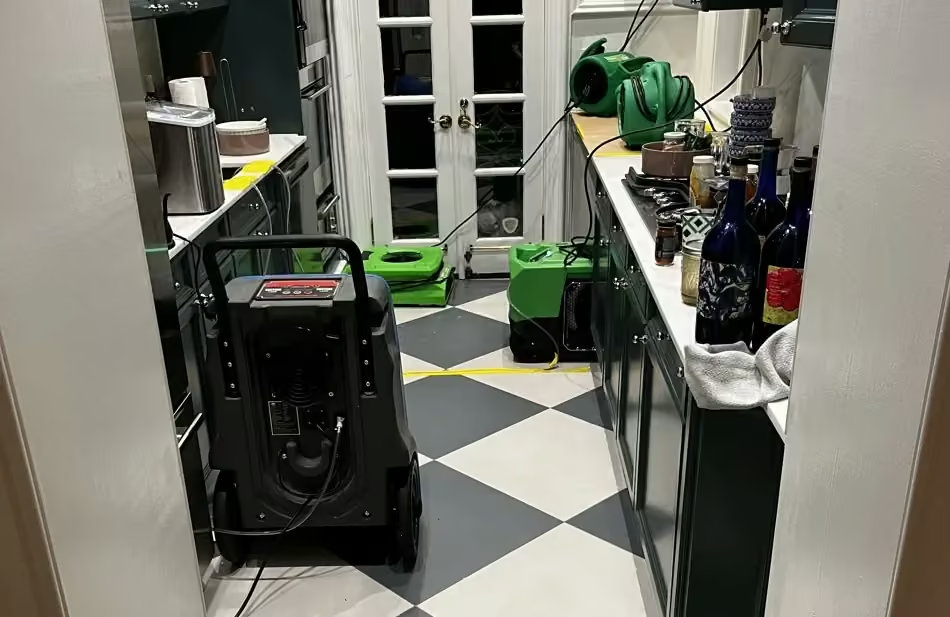
The plan may include protecting unaffected rooms, removing materials that cannot be appropriately cleaned or dried, and placing dehumidifiers and air movers where conditions allow. Moisture readings help track progress. A floor that feels dry underfoot does not establish that the subfloor or wall cavity is dry.
There is no reliable drying deadline for every property. The water source, materials, time elapsed, access and ongoing moisture all influence the work. Ask how drying goals will be established and how completion will be documented.
What happens during water damage restoration?
Once the affected area is ready, repairs bring the space back into use. Depending on the damage, that might mean replacing a section of drywall and repainting, or a larger flooring, ceiling or cabinetry project.
Confirm whether the contractor’s proposal includes rebuilding or only mitigation. Plumbing repairs, electrical work, permits and specialty trades may have separate scopes. In NYC co-ops and condos, coordinate building requirements and approvals before permanent repairs begin.
Three NYC examples: which service comes first?
- A ceiling leak from the apartment above: Coordinate access with building management and the upstairs occupant, address the source, then assess the ceiling and adjoining materials. Drying and necessary removal come before replacing finishes.
- A basement flooded during heavy rain: Establish safe access and assess contamination before selecting cleanup methods. Do not treat unknown floodwater as a simple clean-water spill.
- A washing-machine hose leak caught quickly: Some materials may be dried without replacement. The decision depends on the water source, condition of the materials and moisture findings—not just the size of the visible puddle.
These are examples, not a diagnosis of your property. Photos and a description help start the conversation; on-site findings define the work.
Where does mold fit into the process?
Moisture control helps reduce mold risk. The EPA provides guidance for responding to clean-water damage within 24–48 hours. That is a reason to act promptly, not a guarantee that mold will or will not appear at a particular hour.
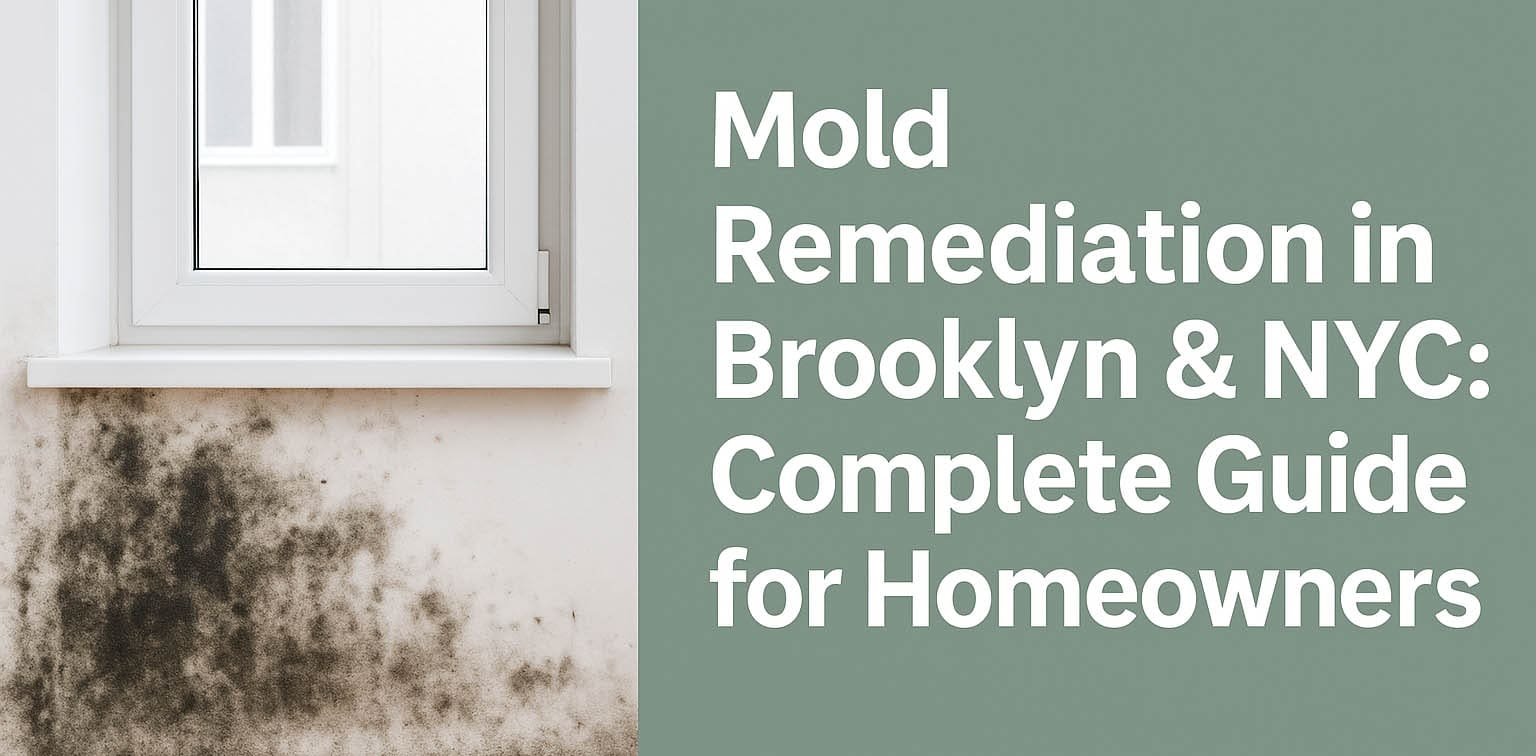
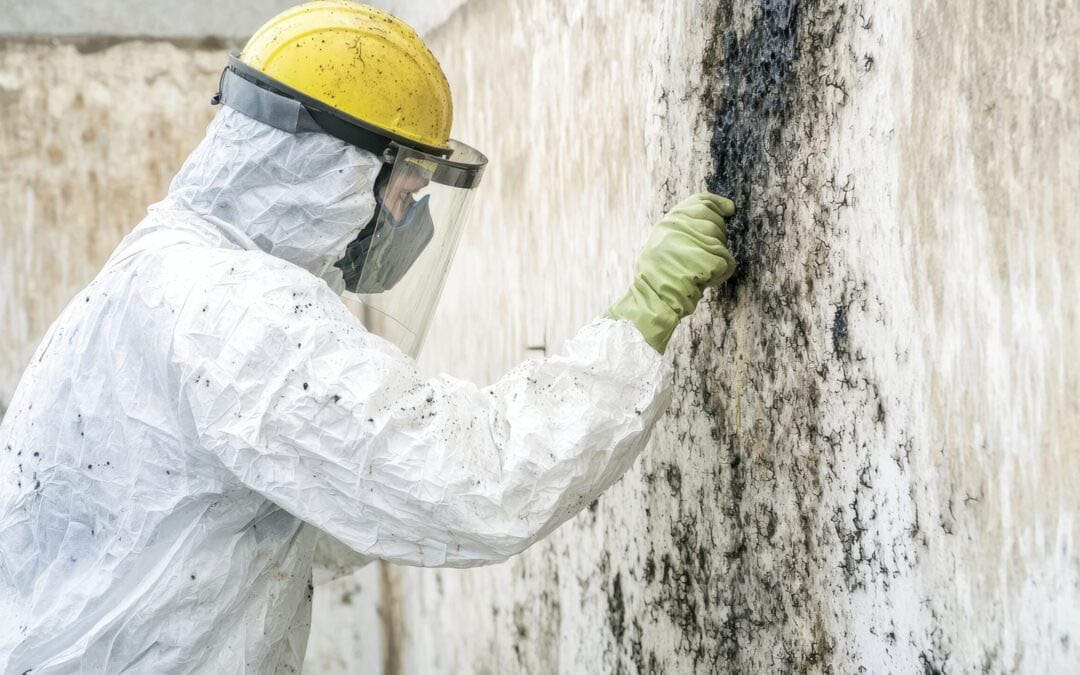
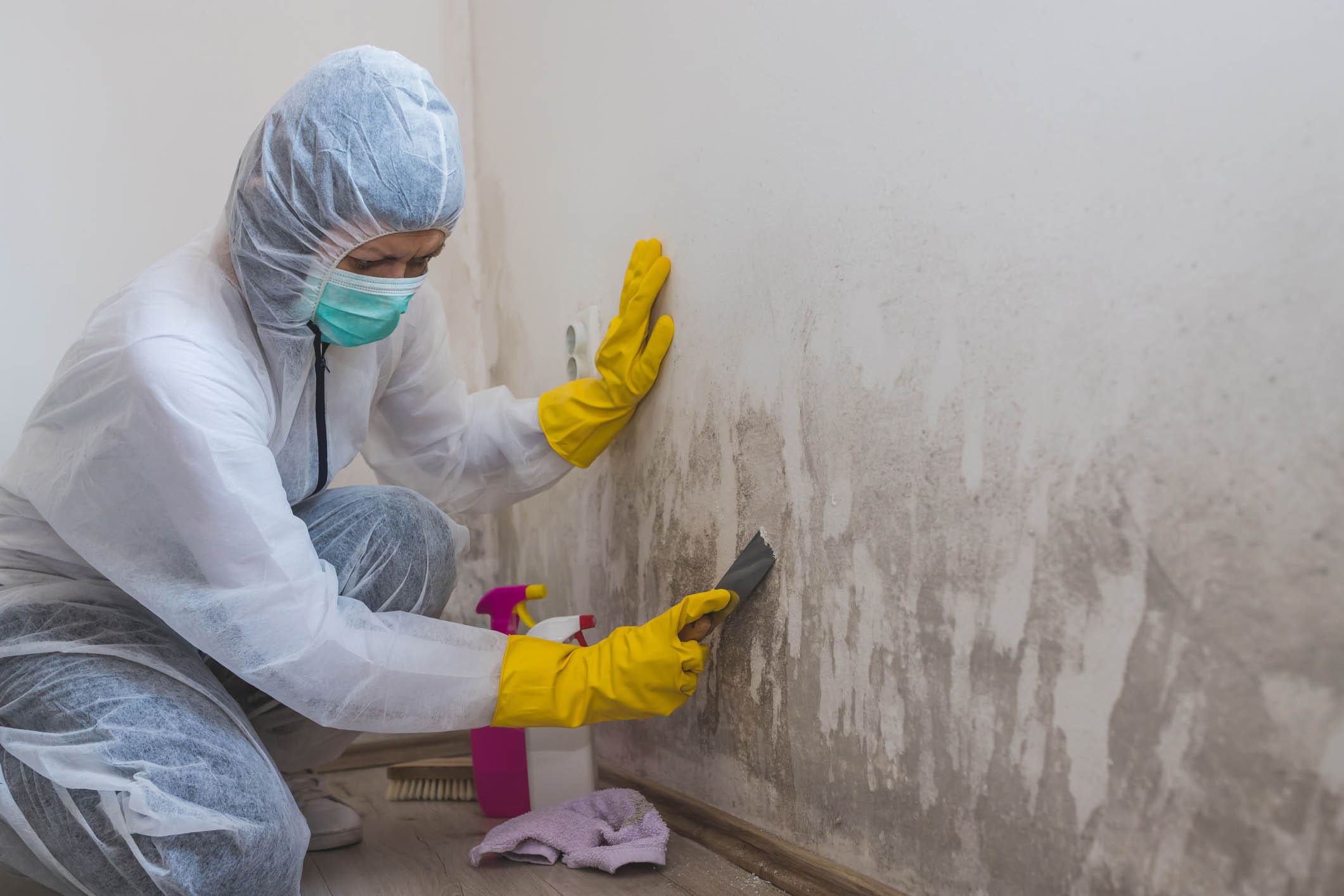
If mold is present or suspected, the cleanup approach may need to change. Drying equipment and a surface treatment do not replace needed mold remediation. Avoid disturbing affected materials or directing fans across visible mold. Regulated New York mold projects follow the state’s independent assessment and remediation requirements.
What should you do before the crew arrives?
- Put safety first. Keep people and pets away from flooded areas, sagging ceilings and electrical hazards. Do not enter standing water to reach a breaker or shutoff. Use emergency services for immediate danger.
- Notify the right people. Contact building management or your landlord when applicable, and arrange qualified help to address the source.
- Document from a safe position. Take photographs and keep a timeline of the leak, affected rooms and calls. Save receipts and written scopes.
- Contact your insurer promptly. Ask about documentation, emergency work and approval for permanent repairs. Coverage depends on the cause and policy.
New York’s Department of Financial Services explains the difference between necessary protective work and permanent repairs during a claim. Standard homeowners or renters policies generally exclude flood damage; check the applicable policy with your insurer. Our water damage documentation guide can help you organize project records.
Five questions to ask before approving a proposal
- Which rooms, surfaces and concealed areas are included?
- What will be dried, cleaned or removed—and why?
- How will you measure and document drying progress?
- Are repairs included, or will there be a separate restoration proposal?
- What could change the price, and how will additional work be approved?
A useful proposal makes the next step clear and explains its limits. Ask for clarification before authorizing work you do not understand. Our NYC water damage cost guide explains the site conditions and scope details that affect pricing.
Frequently asked questions
Is water extraction the same as water mitigation?
No. Extraction removes accessible water. Mitigation can also include necessary material removal, structural drying and moisture monitoring.
Does every leak require rebuilding?
No. Some promptly addressed leaks can be resolved without replacing finishes. Damage, contamination and moisture findings determine whether repairs are needed.
Can one company handle mitigation and restoration?
Yes, some companies provide both. Confirm the services included in your agreement and who will handle any plumbing, electrical or other specialty work.
Can I paint over a water stain once it looks dry?
First address the water source and confirm that affected materials are ready for repair. Paint can hide a stain without resolving moisture or damage behind it.
A clear next step for your property
GreenRoom provides water damage restoration services across NYC. Tell us what happened, which rooms are affected and whether water is still entering. We’ll discuss the next step and the information needed to define a scope.
For what to expect when you first contact us, read what happens during an emergency water damage call. For urgent water damage, call (917) 965-3754. For a planned project, request a free quote. You can also read our guide to the first 24 hours after water damage.
GreenRoom Remediation | NY State Licensed Mold Remediation Contractor (License #25-6S44B-SHMO) | IICRC-Certified | OSHA-Trained | BBB Accredited | Serving NYC, Brooklyn, Queens, Manhattan, the Bronx, Staten Island, Long Island, Westchester, and Surrounding Areas.
view related content